An Open Mouth
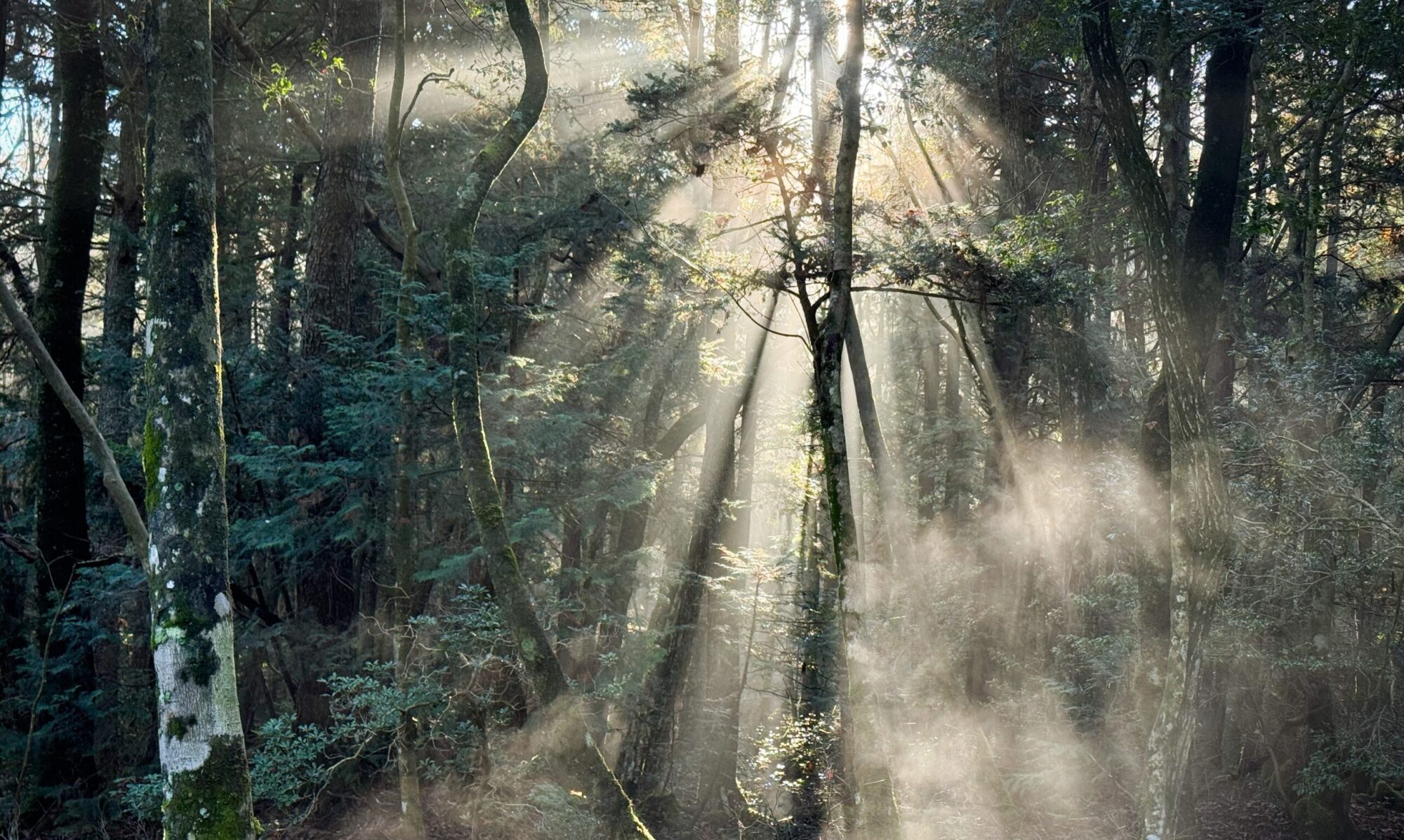
When walking through the forest, we occasionally notice the curious shapes of plants and animals. In the natural world, every form has a meaning. The things humans make must also have an important reason behind their design.
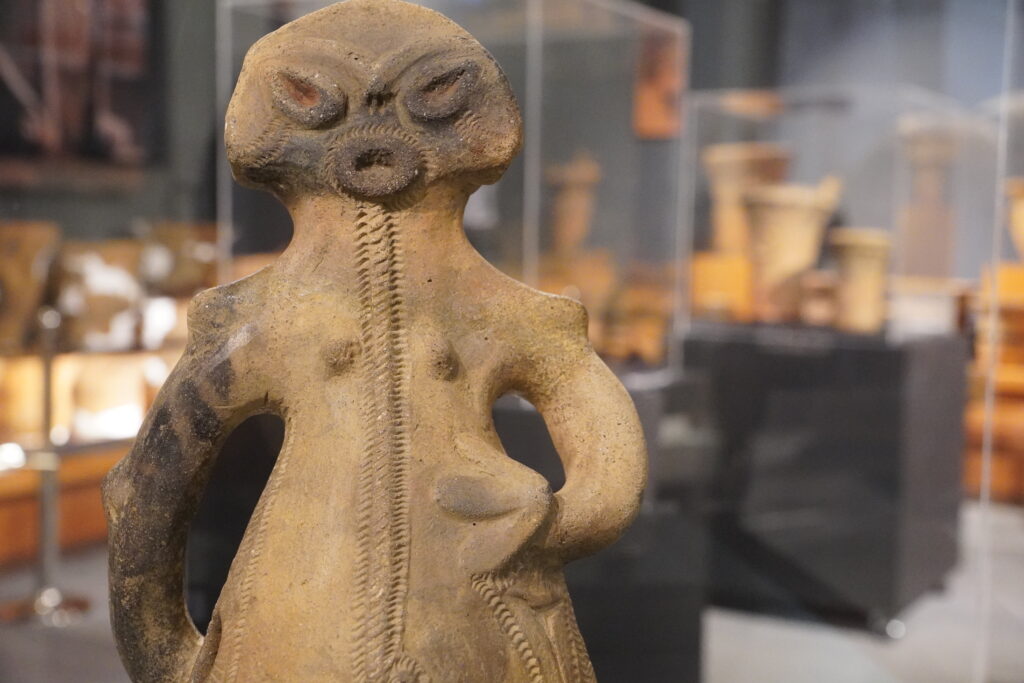
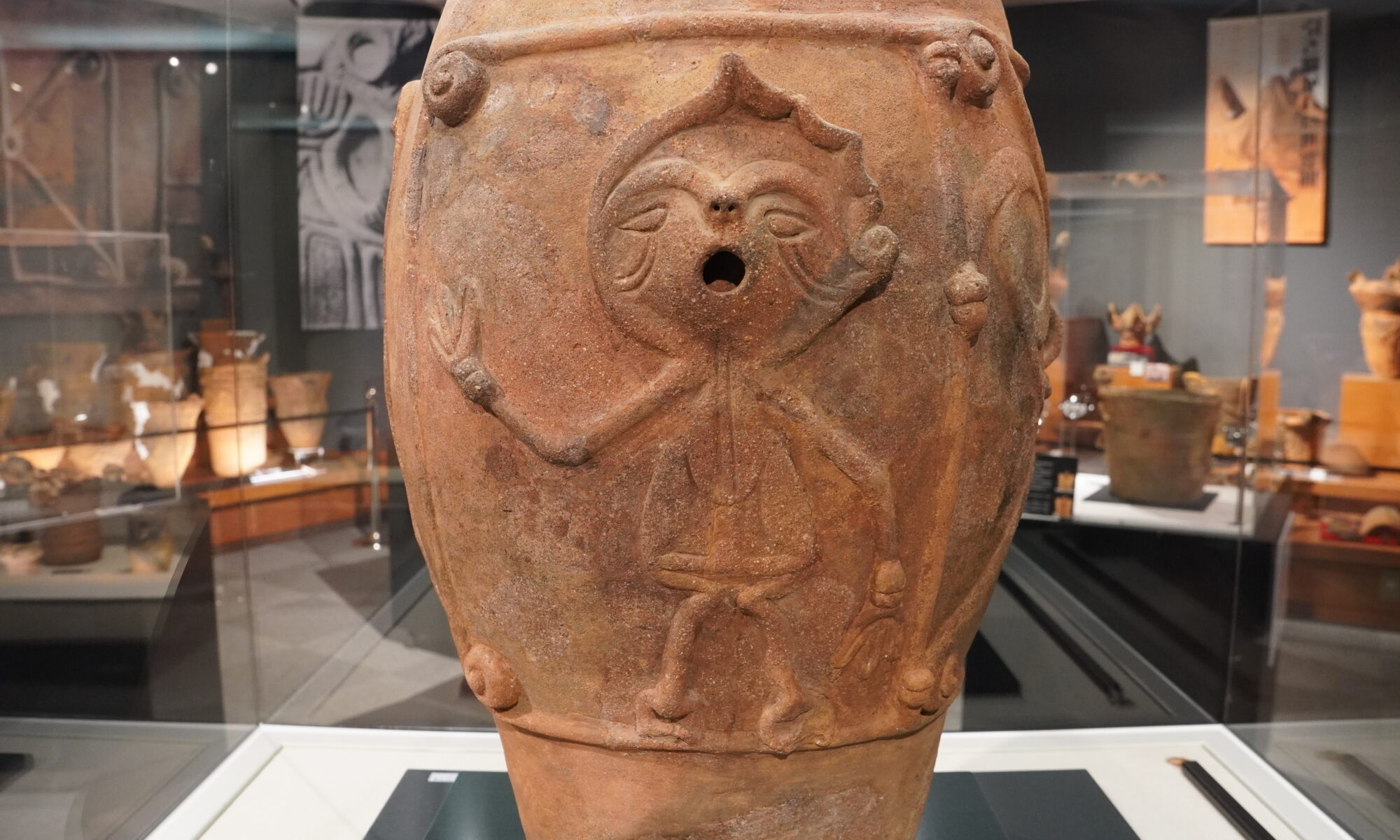
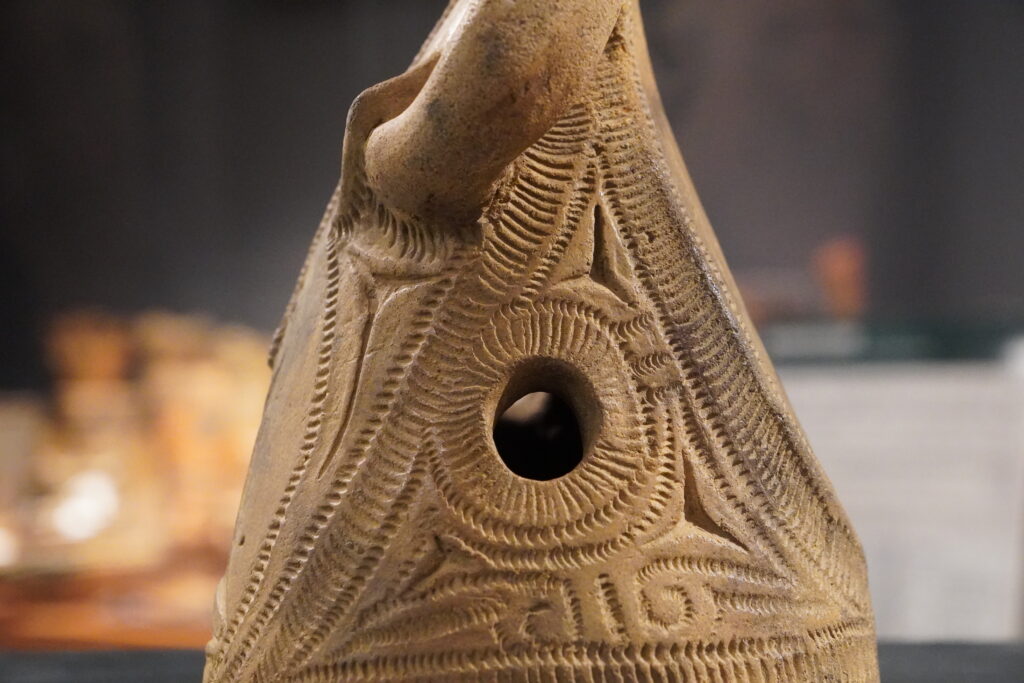
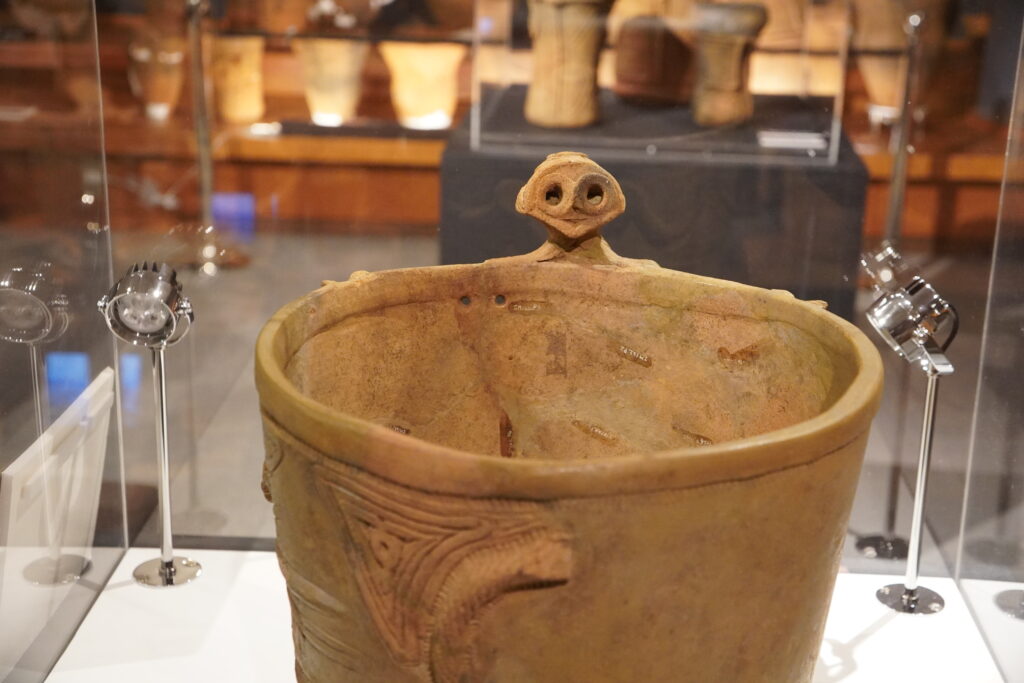
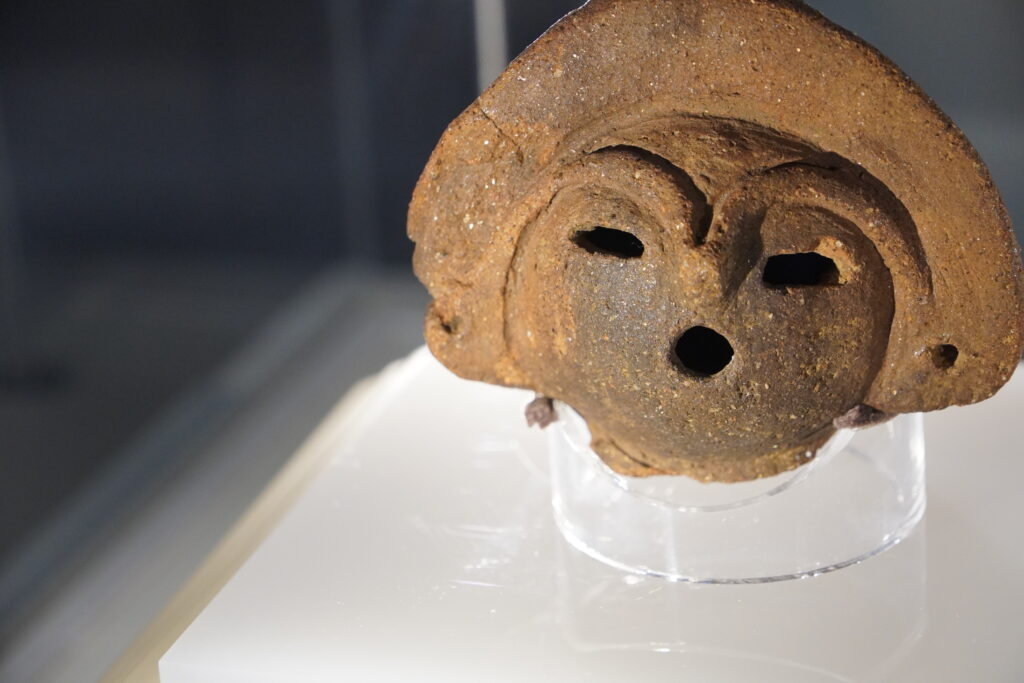
Recently, I visited the Furusato Denshōkan museum in Minami-Alps City to look at the Jōmon pottery and clay figurines (dogū). The first thing that caught my eye was their undeniable charm. Whether they were crafted skillfully or clumsily is hard to say, but they all had their mouths wide open in a round, simple pout. There was a certain vulnerability to it that I found quiet and captivating.
Why did the Jōmon people choose this open-mouthed design, which to modern eyes might easily look a bit blank or vacant? What kind of thought was behind it?
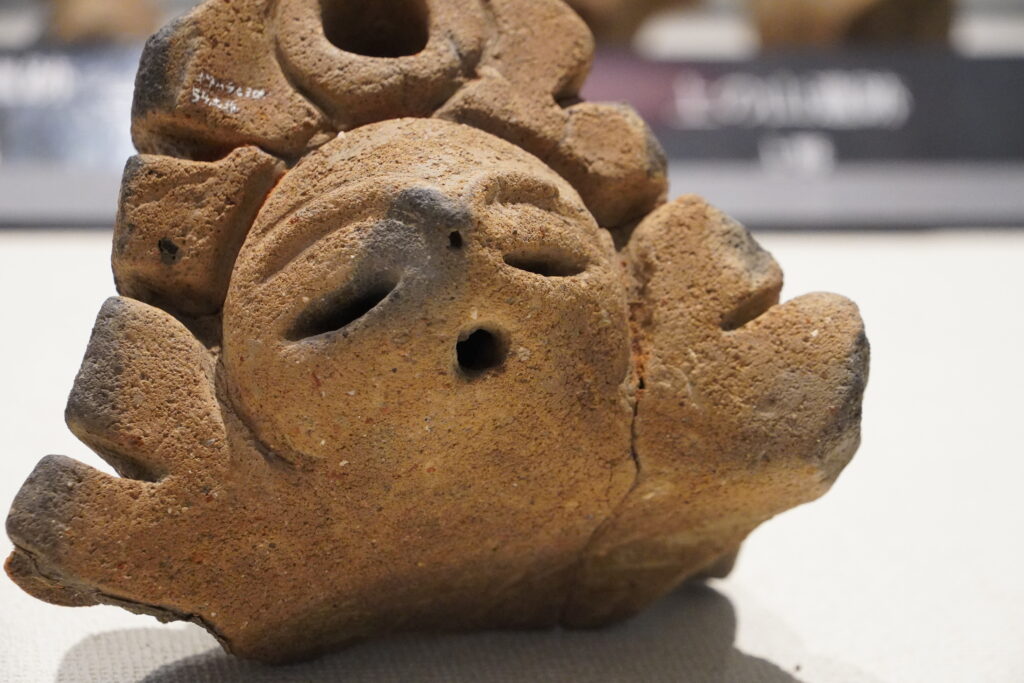
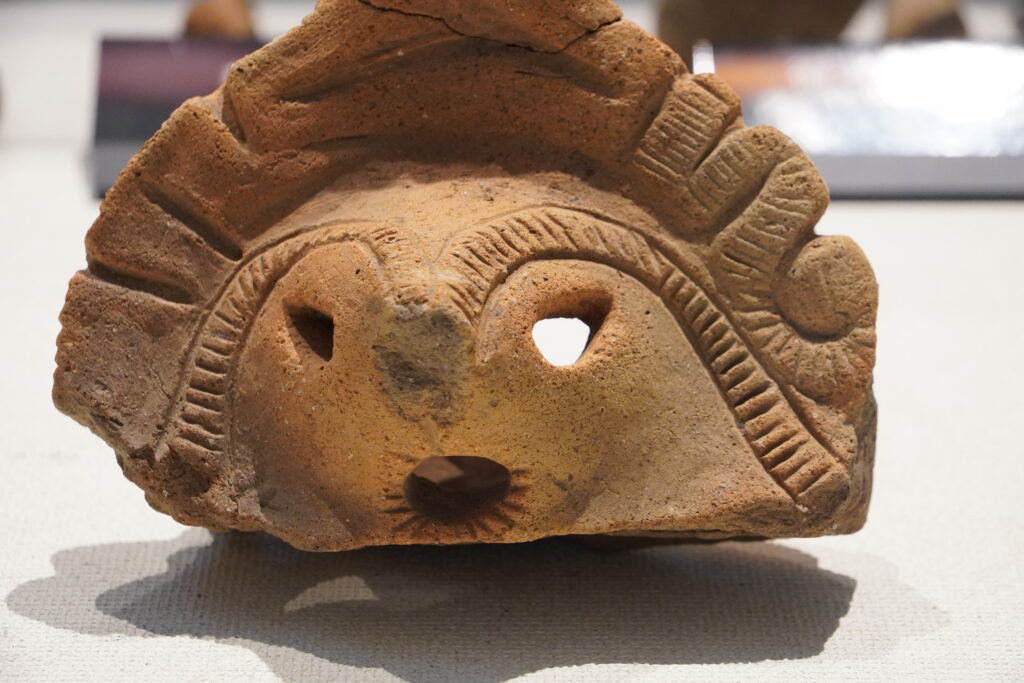
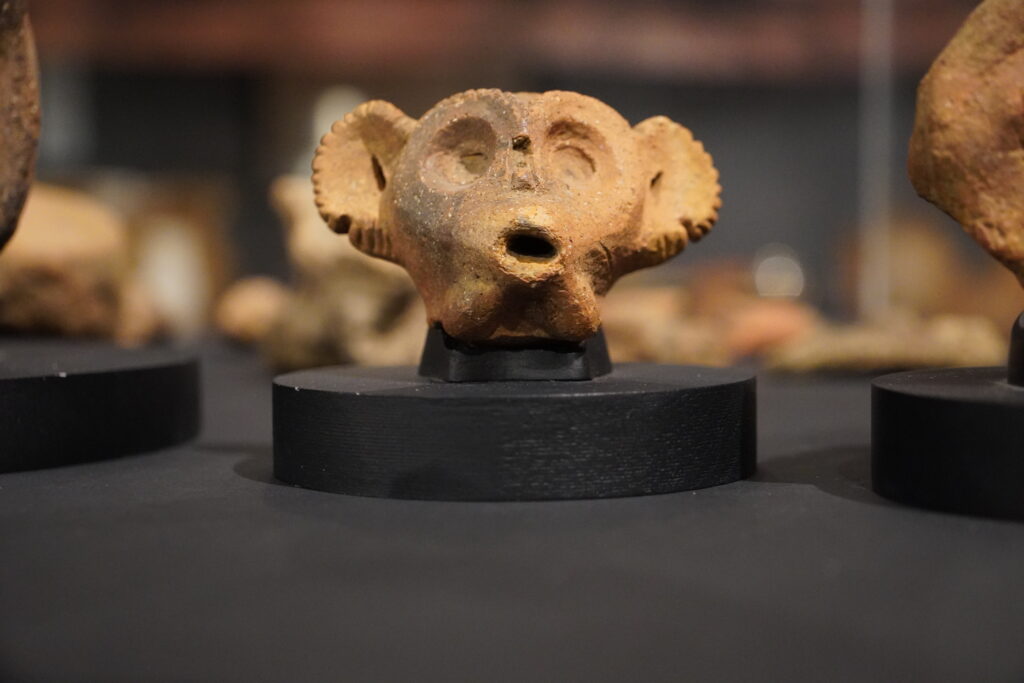
To us today, an open mouth often suggests a lack of attention, as if someone is caught off guard. In modern society, we tend to keep our mouths firmly closed, controlling our expressions so as not to show any weakness.
However, the open mouth of the Jōmon world likely meant something entirely different. To open the mouth was to make a sound. It was song, and it was prayer. I suspect it was an act full of energy—a way of opening one’s inner self to the wider world.
In Japan, there has long been a belief that the spoken voice carries a spiritual weight, a concept known as kotodama. Song and prayer are perhaps the purest forms of this. Making a sound, singing, or praying—these have always been sacred ways for humans to connect with the world around them, and that open mouth was surely the doorway for that connection.
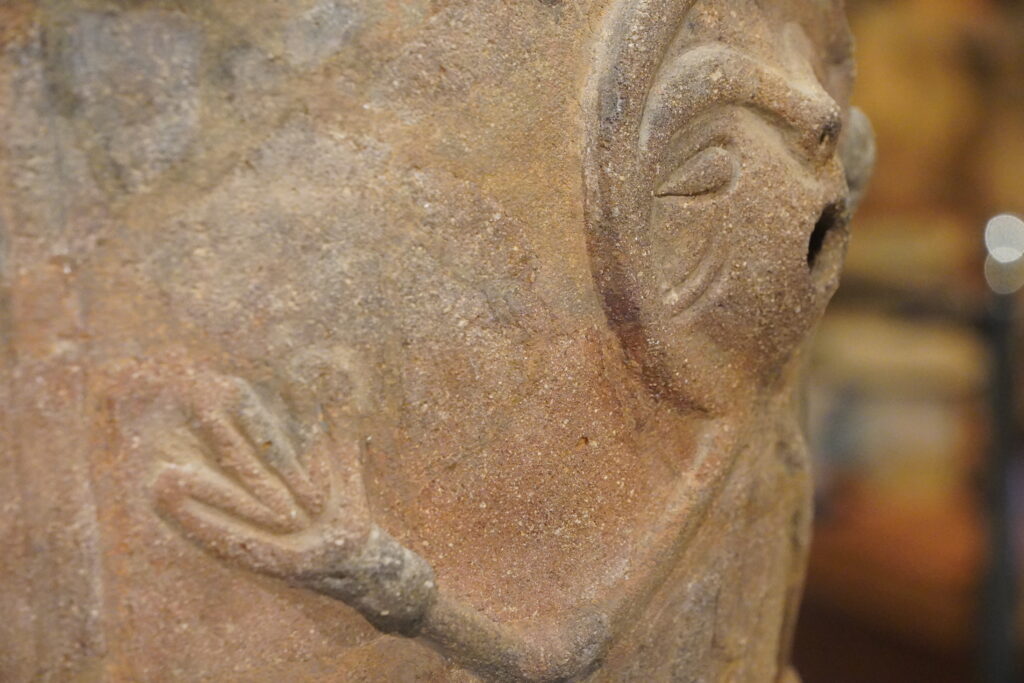
Viewed this way, the figurines and pottery in the exhibition room seem as though they are all singing and praying to the world together.
Why Live in a Dangerous Place?
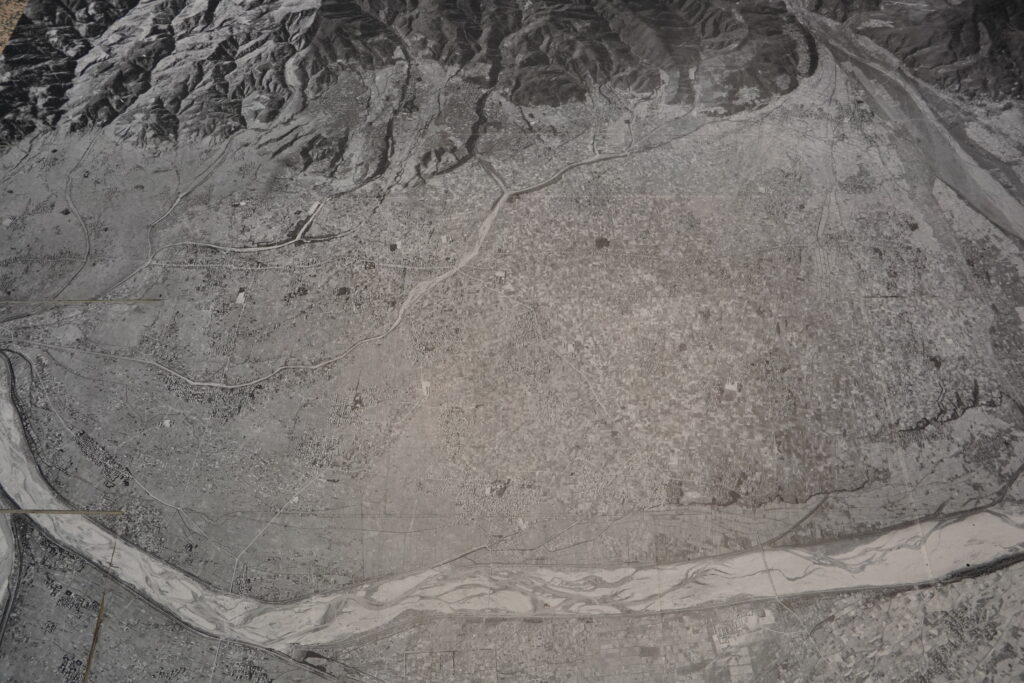
There was an interesting exhibition panel that offered a glimpse into Jōmon life. It explained the history of the settlements around Minami-Alps City, noting that for some reason, large villages full of “magical things” were concentrated at the base of the mountains, an alluvial fan prone to mudflows and flooding.
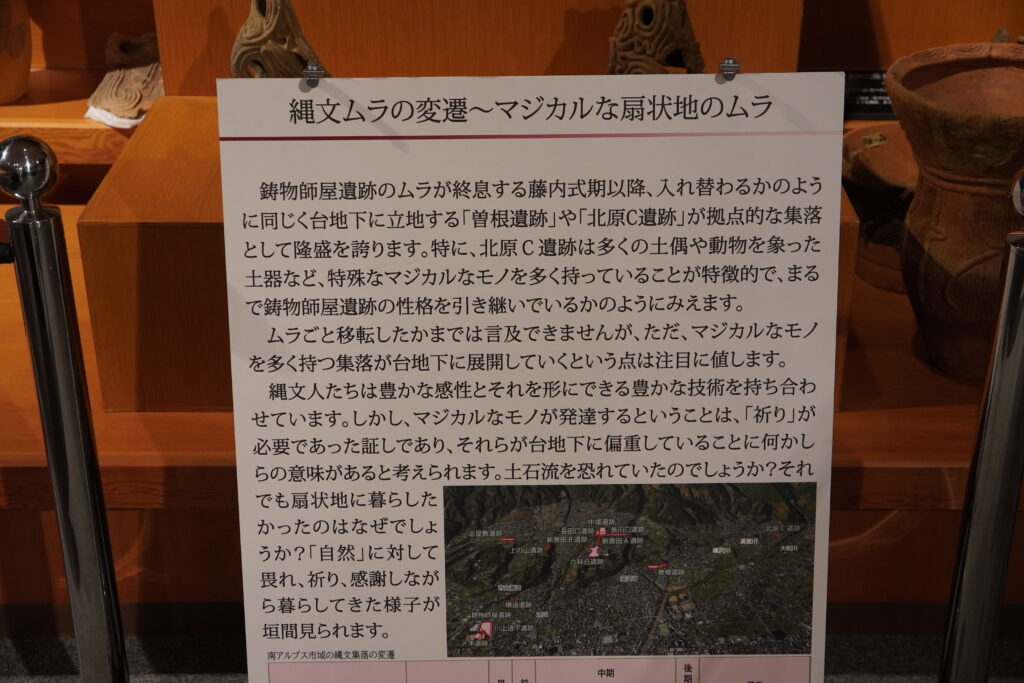
I found the term “magical things” quite lovely and unexpected for a museum. It seemed to refer to the pottery, figurines, and animal shapes used for protection and prayer.
Still, it makes one wonder. Why live in such a hazardous area when they could have lived on safer, higher ground nearby and simply visited the lowlands during harvest season? For the Jōmon people, however, blessings and risks were two sides of the same coin. They chose to live here because it was the absolute front line of nature’s bounty.
The most essential requirement, above all, was water. In an age without tap water or vehicles, carrying large amounts of water over long distances was heavy, exhausting work. Living right beside a spring bubbling up from the earth was a priority when choosing a place to settle.
The other great blessing was the nuts—walnuts and horse chestnuts—that thrive near water. Each time the river rose slightly, the water carried the walnut seeds downstream, allowing them to flourish in areas where other plants had been swept away. In those cleared, sunny spots, wild vegetables likely grew in abundance too. Rather than carrying water and nuts a long distance every day, they chose the more sensible option: to settle right in the middle of the water and the harvest.
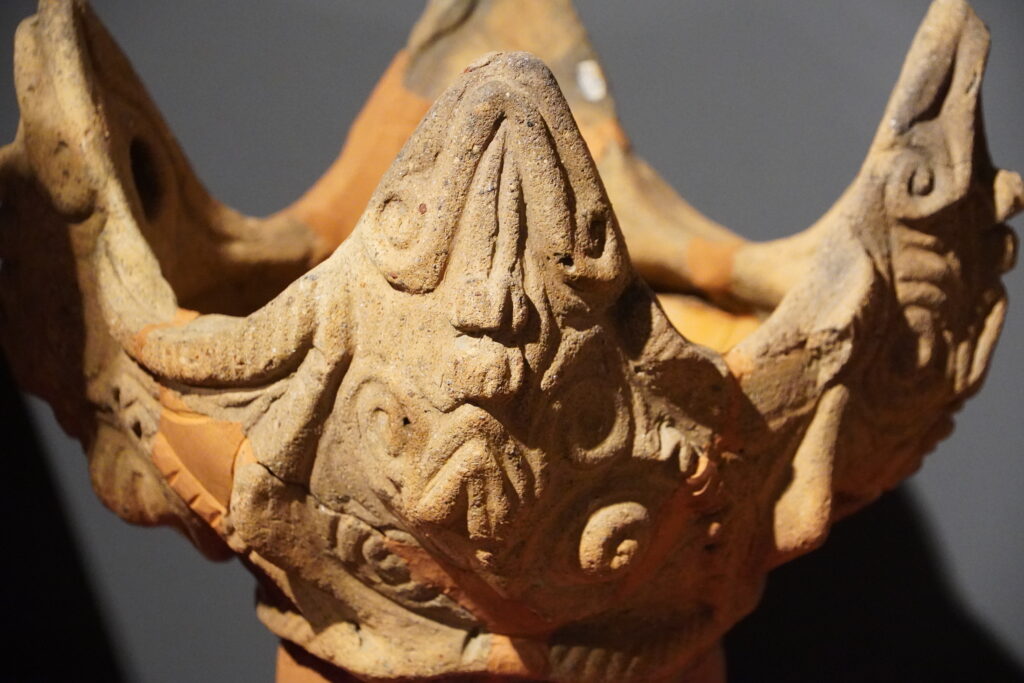
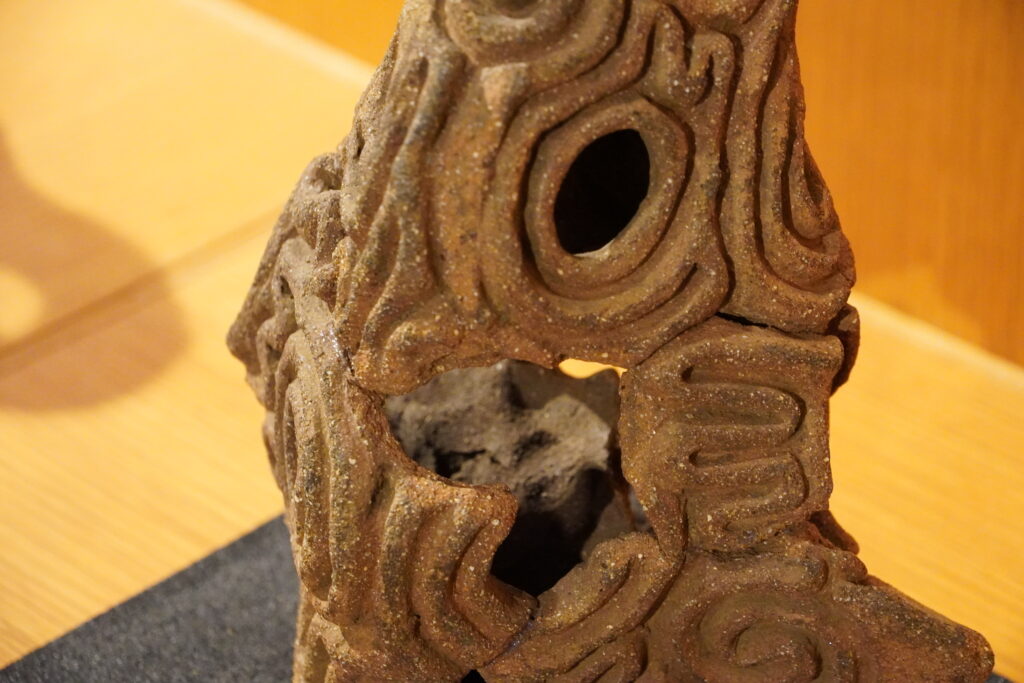
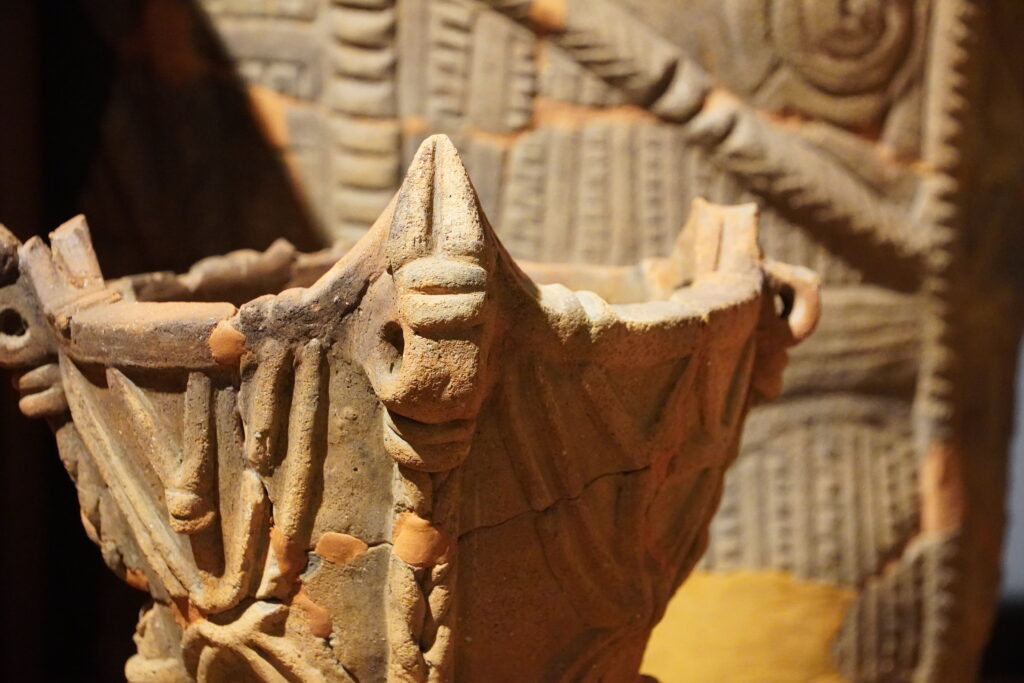
Instead of keeping a safe distance from danger, they chose to step right up to the edge, accepting the risks to receive the blessings of the water. To stay in such a place, they needed those many “magical objects” to read and respect the moods of nature.
Memories of the Water
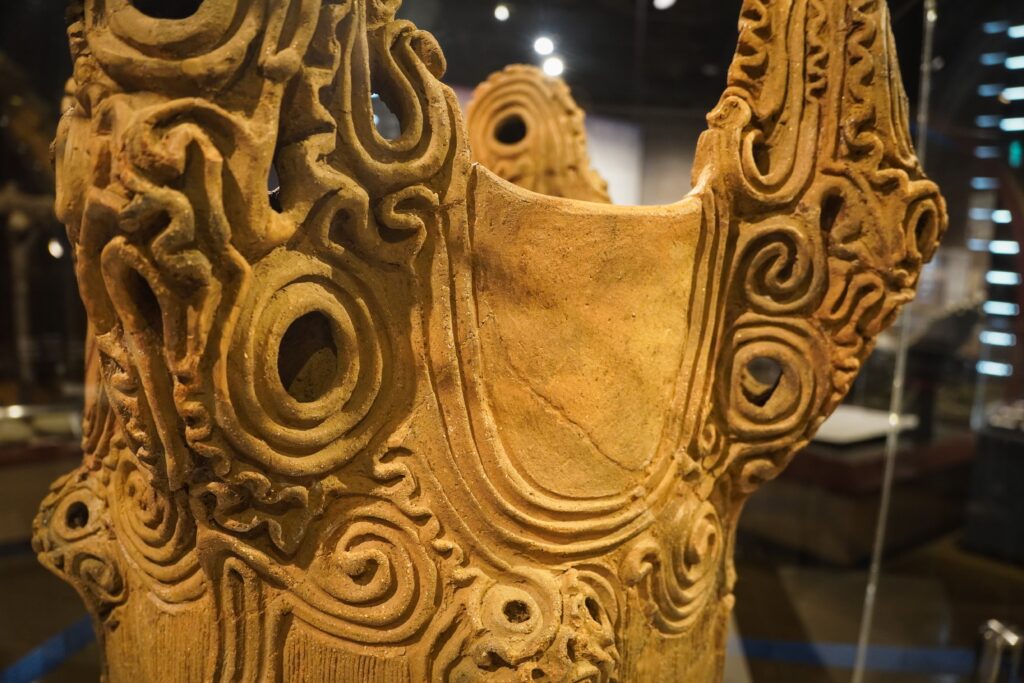
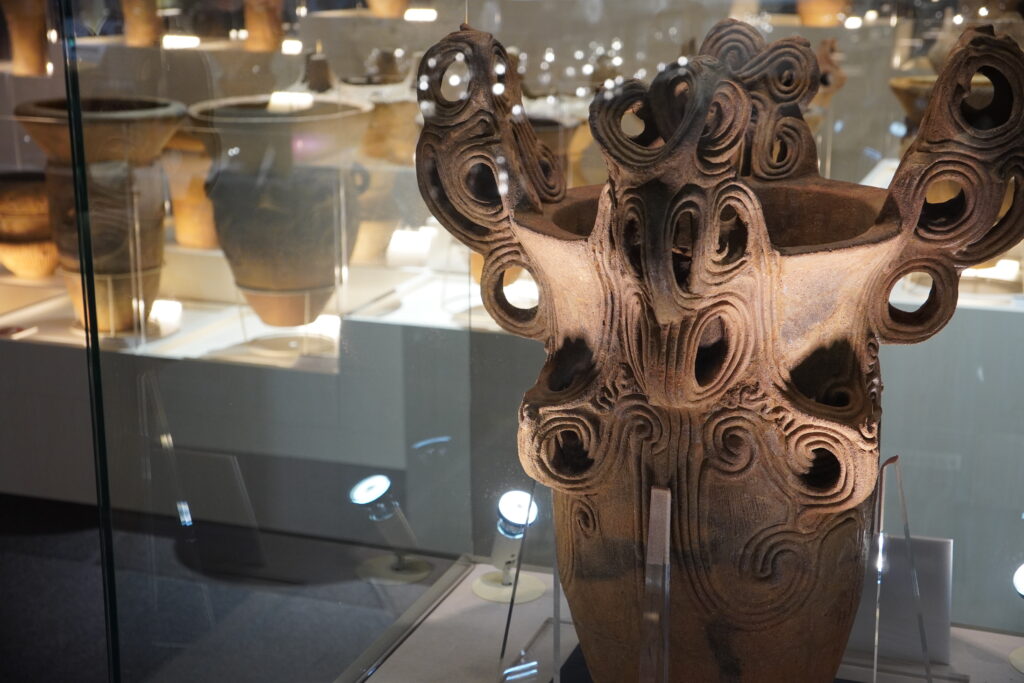
This deep gratitude and fear toward water took physical form in the Suien-mon (water-spike) pottery, which is so characteristic of Yamanashi.
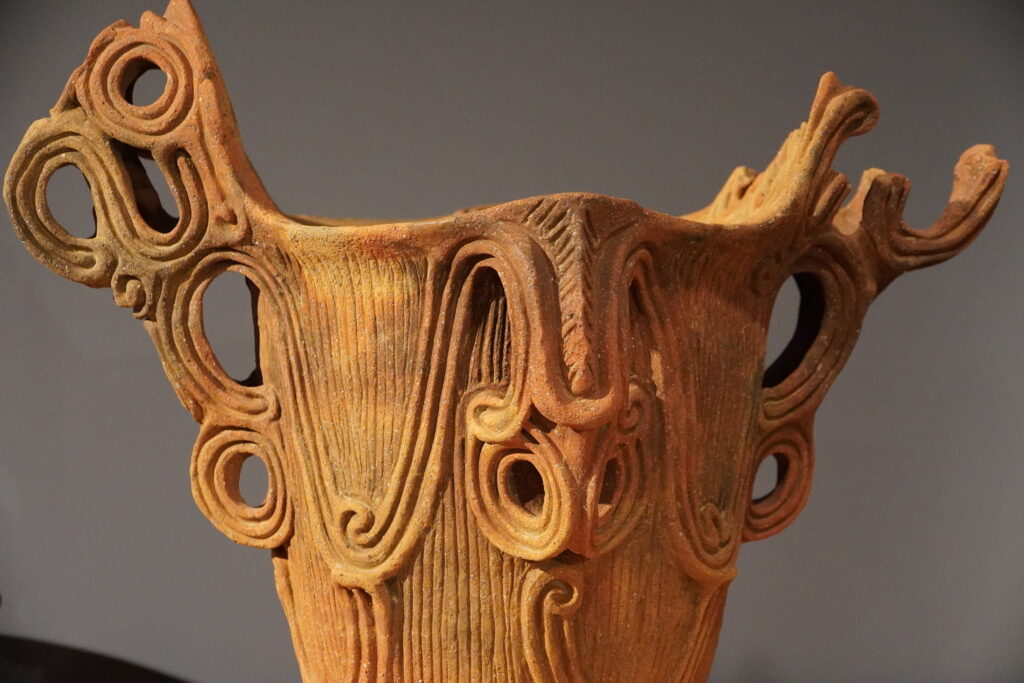
The rims of these vessels are decorated with dynamic, three-dimensional patterns resembling waves and splashing water. This must have been exactly what they witnessed regularly—the tremendous power of water rushing down from the mountains. By giving form to this uncontrollable yet essential energy, perhaps they were seeking to calm the wild river and show appreciation for the life-giving springs.
Even today in this area, you can find traditional flood barriers like the “Shingen-tsutsumi” dykes and “Seigyū” (wooden river structures designed to break the current). They still protect the land by absorbing and redirecting the river’s force rather than trying to suppress it entirely.
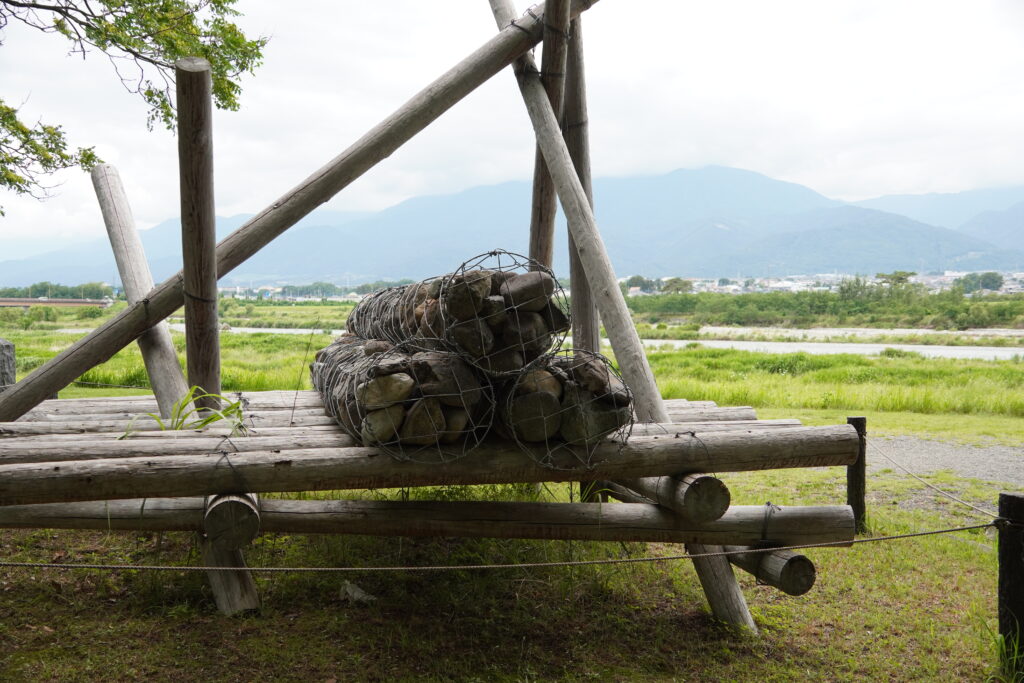
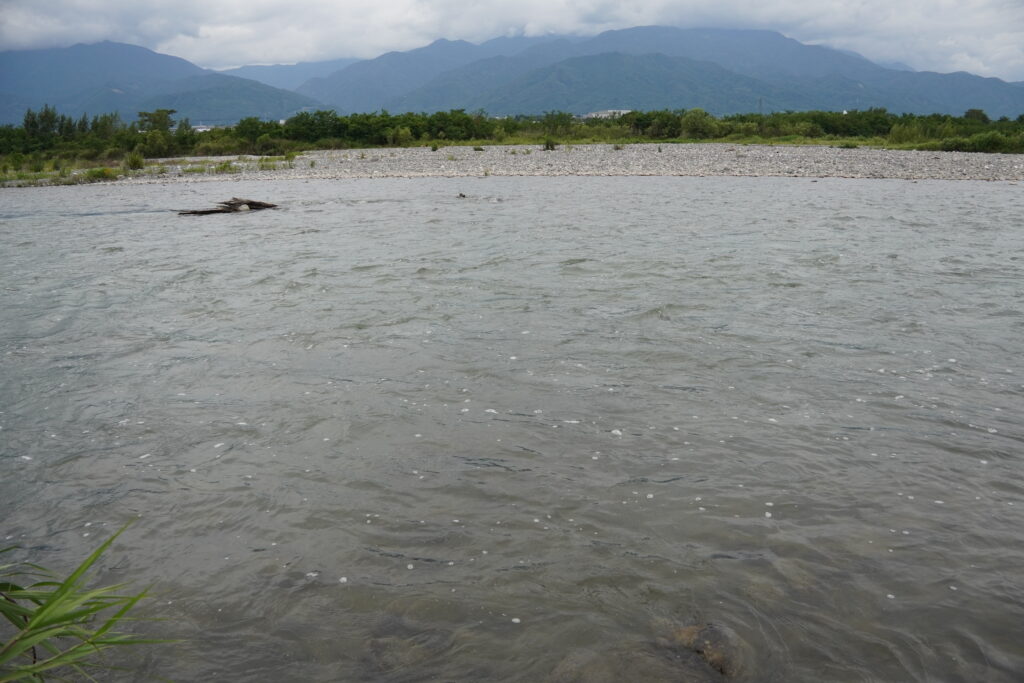
Information from a screen can only tell us so much. Walking the ground myself, I felt the points connect, showing how the wisdom of the past still flows through our lives today.
To Coexist, Not to Solve
For those living on the edge of nature, that open mouth was a sign of earnest, life-or-death prayer.
Yet, thousands of years later, we look at them and smile at their simple charm. Perhaps humour is something that naturally arises from sheer earnestness.
While I sit here reflecting on how deeply the Jōmon people faced nature, it is also quite possible that this design was simply the pop culture of their day. They might have just enjoyed making them, thinking, “This open mouth looks rather nice, let’s make another one.”
Whether it was a prayer or just a trend, we cannot know for certain. Either way, looking at those open mouths brings the warmth of these ancient people a little closer, and that is a pleasant feeling.
Today, when a problem arises, we often try to “solve” it or change the environment to suit our convenience.
The Jōmon people knew they could not alter nature or eliminate disasters entirely. Accepting that reality, they chose to live within it, taking the risks along with the rewards. That feels like the very heart of prayer.
The most famous Jōmon vessels, the Kaen-gata (flame-like) pottery, were made in the heavy snows of Niigata. In that cold climate, their dependence on fire must have been absolute. Fire was revered as the force that kept the terror of winter at bay and cooked their catch, which gave rise to those blazing, intricate designs. Yamanashi shaped by water, Niigata shaped by fire—it is fascinating how the practical needs of each landscape created such different designs.
Instead of trying to control nature, they placed themselves within its cycles of destruction and renewal. The Jōmon way of living—taking the time to observe and finding true abundance within the risks—offers a quiet, helpful hint for how we might live more gently today.
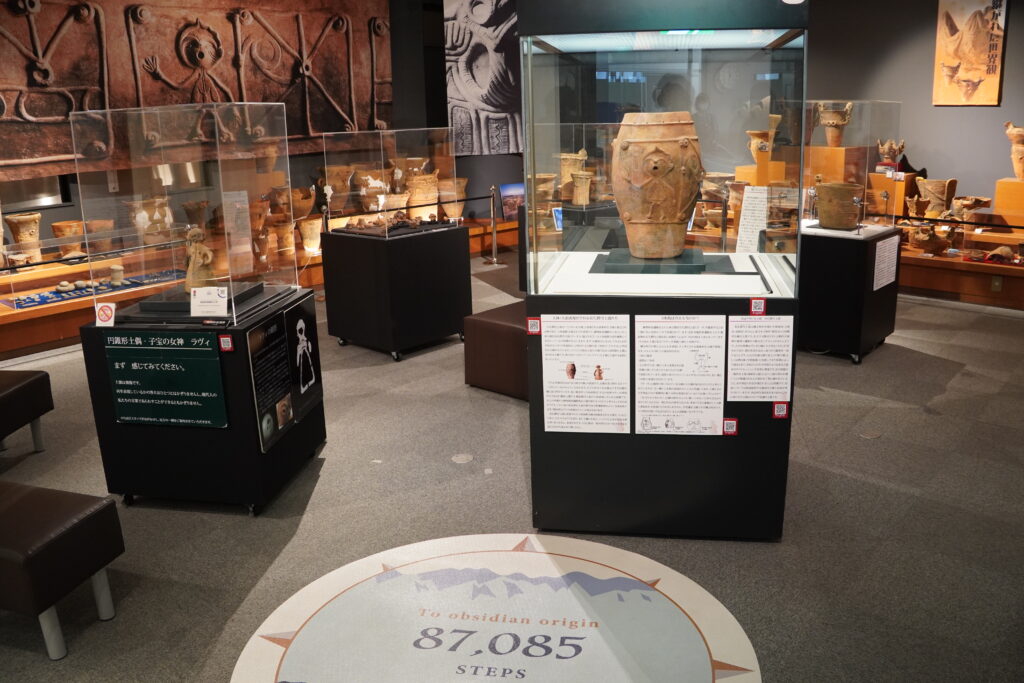
There are many other museums in Yamanashi where you can see Jōmon pottery. The Shakadō Ruins Museum in Fuefuki City houses a remarkable collection of clay figurines, while the Yamanashi Prefectural Museum of Archaeology in Kōfu City displays beautiful examples of the Suien-mon pottery.
Do visit them if you have the chance.
The Shakadō Ruins Museum and The Yamanashi Prefectural Museum of Archaeology
If you enjoyed this story, you might also like these articles from the field.