The Formation of the Land
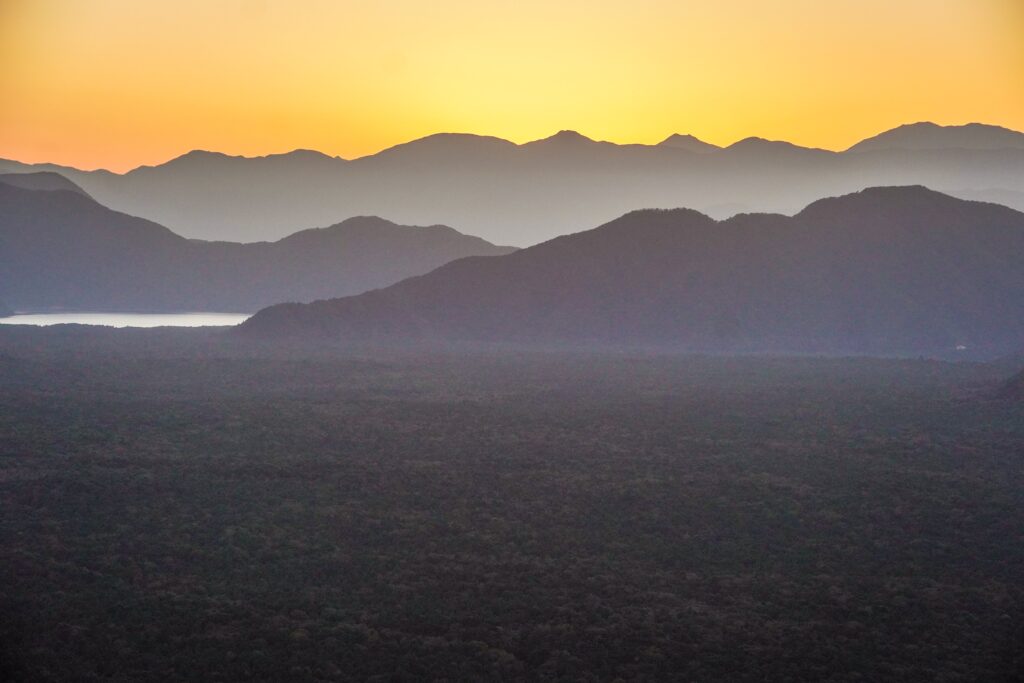
The area was once covered by a vast lake known as Senoumi. An eruption from Mount Omuro first separated Lake Motosuko from the main body of water. Later, the great Jogan eruption of 864 AD divided the remaining lake into what are now Lake Saiko and Lake Shojiko. These lava flows created the foundation of the landscape we see today.
Aokigahara Jukai
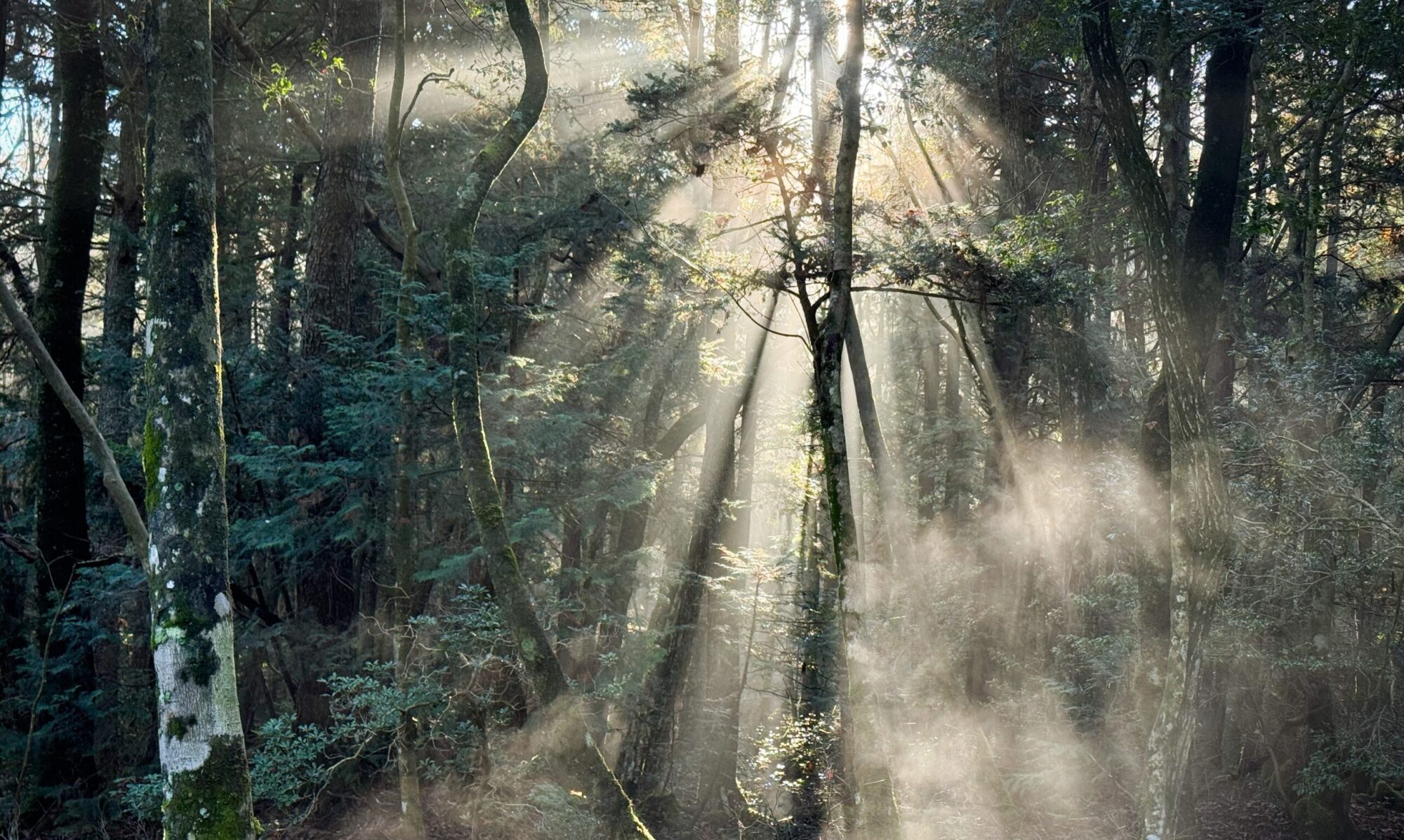
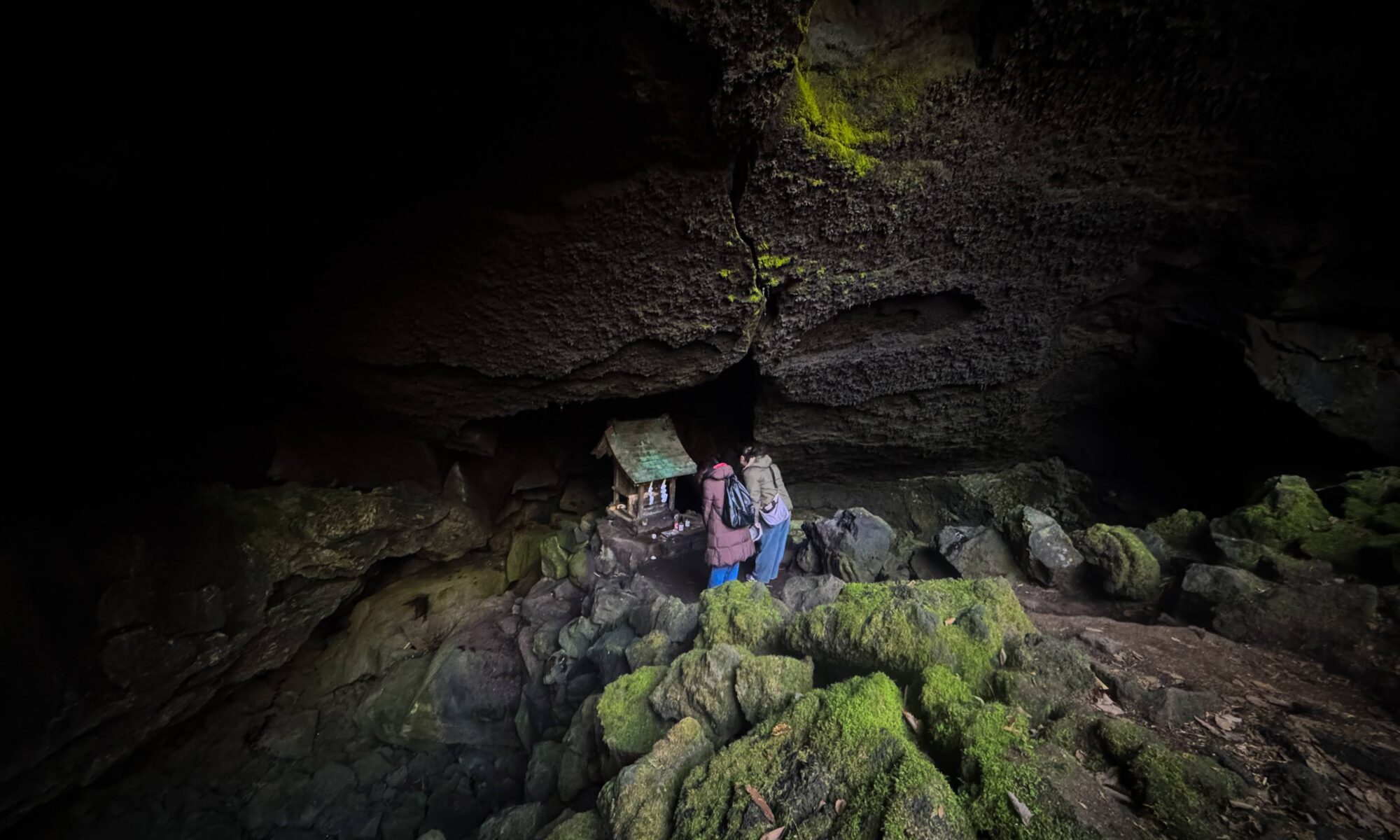
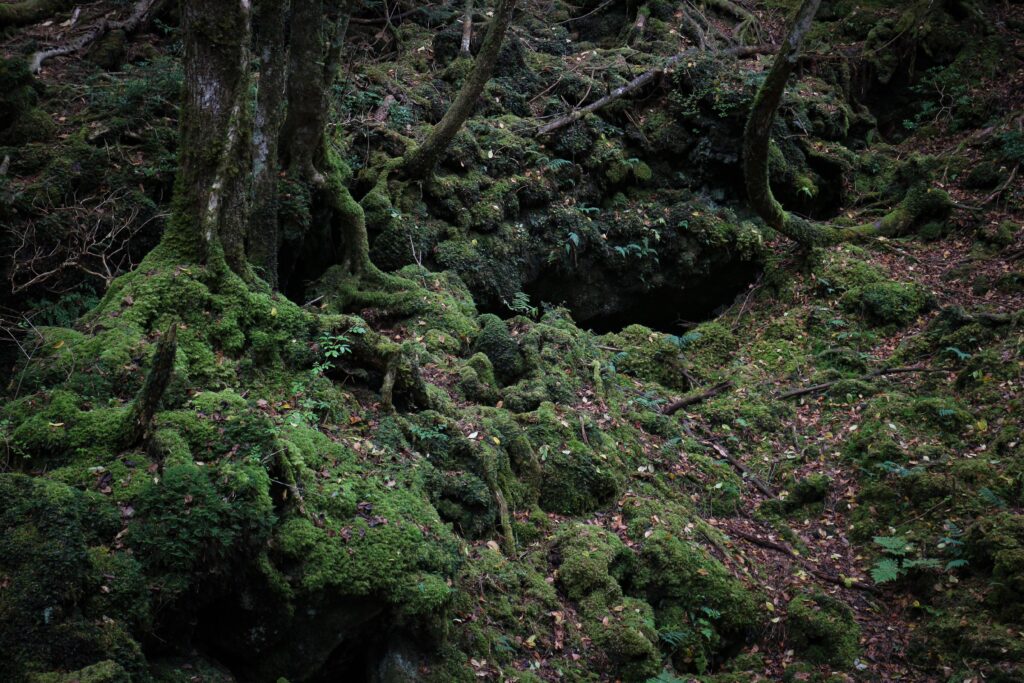
Over the centuries, a forest emerged upon the soil-less lava plateau. In this environment, where water vanishes underground, a unique ecosystem has evolved. The volcanic caves were not only revered as sacred dwellings for deities but also served practical roles, such as storing silkworm cocoons in their naturally cool depths. It is a place where raw nature and human ingenuity intersect.
Kawaguchi Asama Shrine
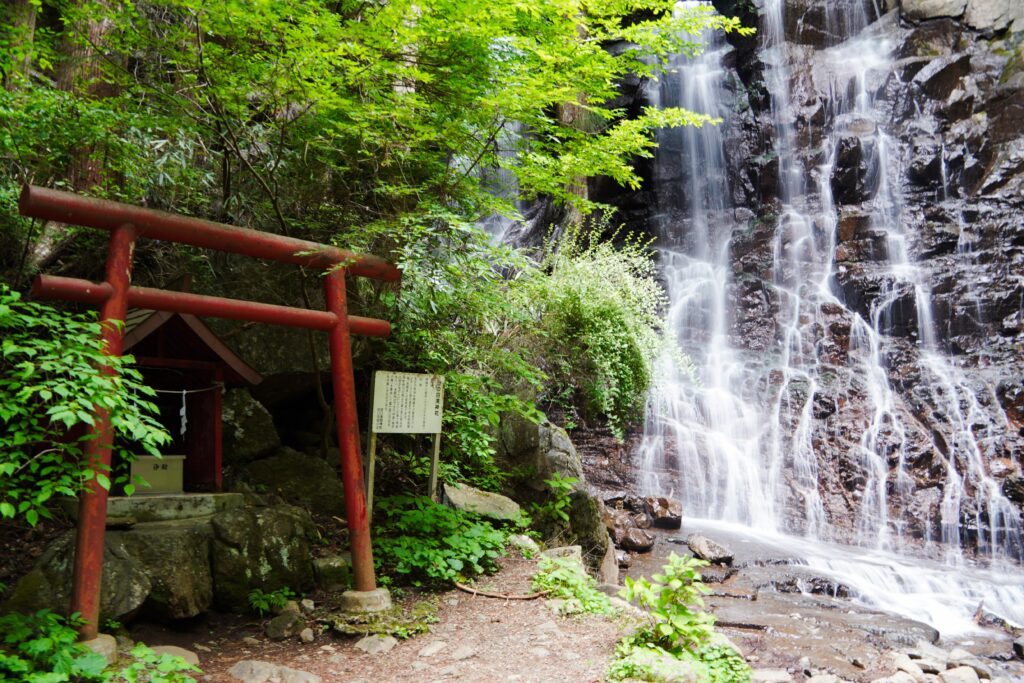
Kawaguchi Asama Shrine was established in 865 AD to calm the eruptions. The overwhelming power of the mountain was seen as something to be revered as much as it was feared. This sense of awe formed the core of the pilgrimage. People would purify themselves in waterfalls before their ascent, walking the same paths as those who sought spiritual discipline in the mountains.