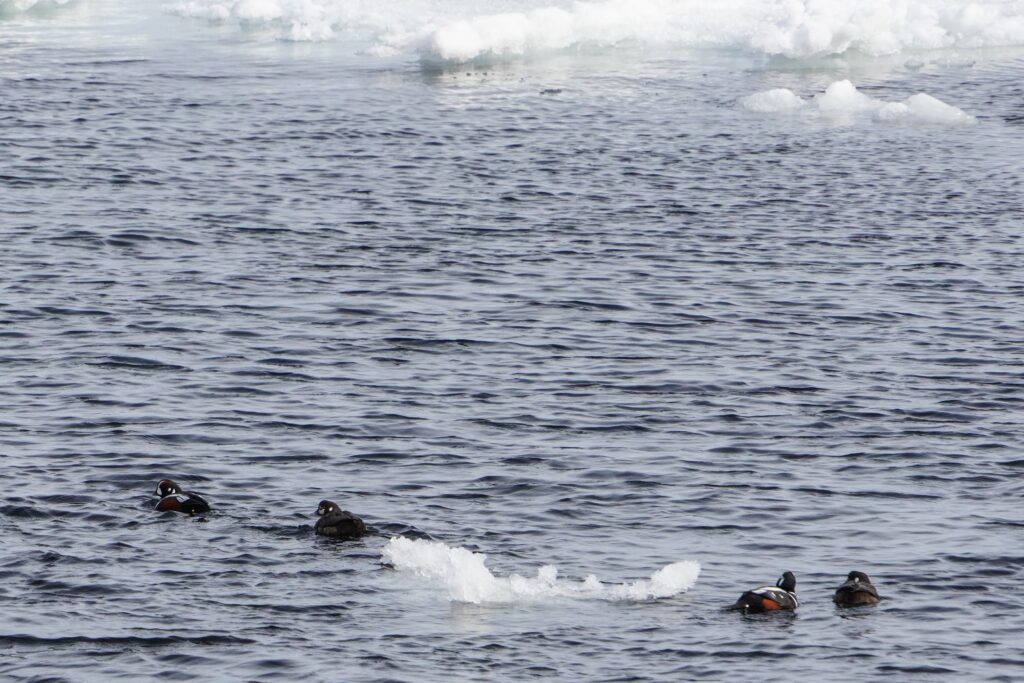
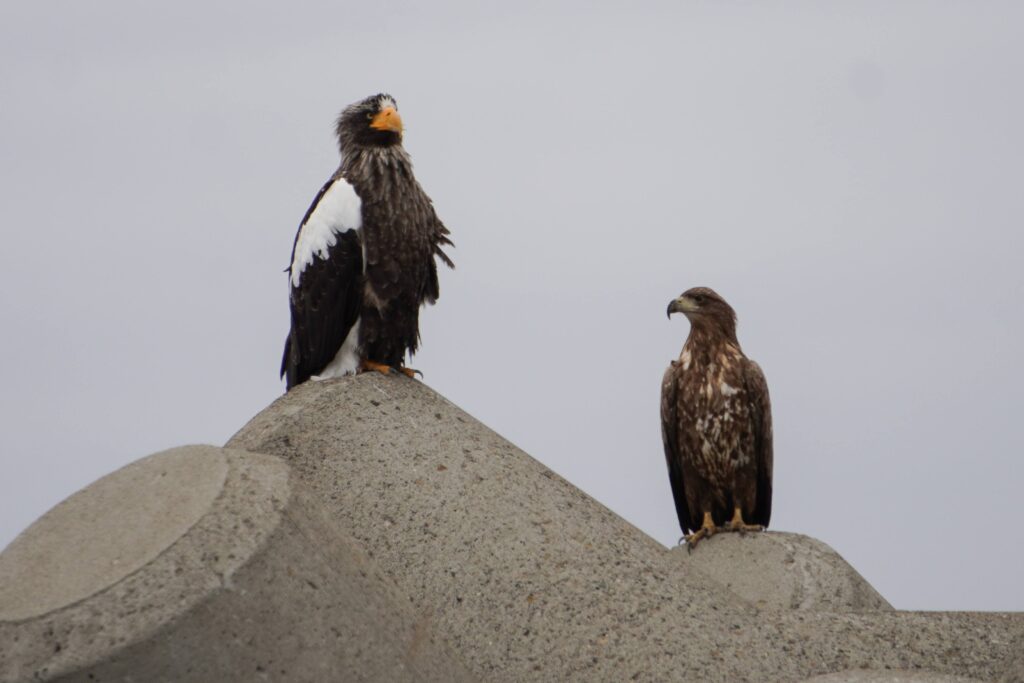
Leaving Rausu, I headed south along the coastline towards the Notsuke Peninsula. On the sea, I spotted harlequin ducks, while Steller’s sea eagles and white-tailed eagles lined the shore. This peninsula, one of Japan’s largest sandspits, appears on the map as a fragile, slender thread of land jutting into the ocean.
Driving further in, the landscape shifts into wetlands, then tidal flats, and finally the open sea. I travelled along a narrow path of earth, with the ocean pressing in from both sides.
Narawara and Todowara
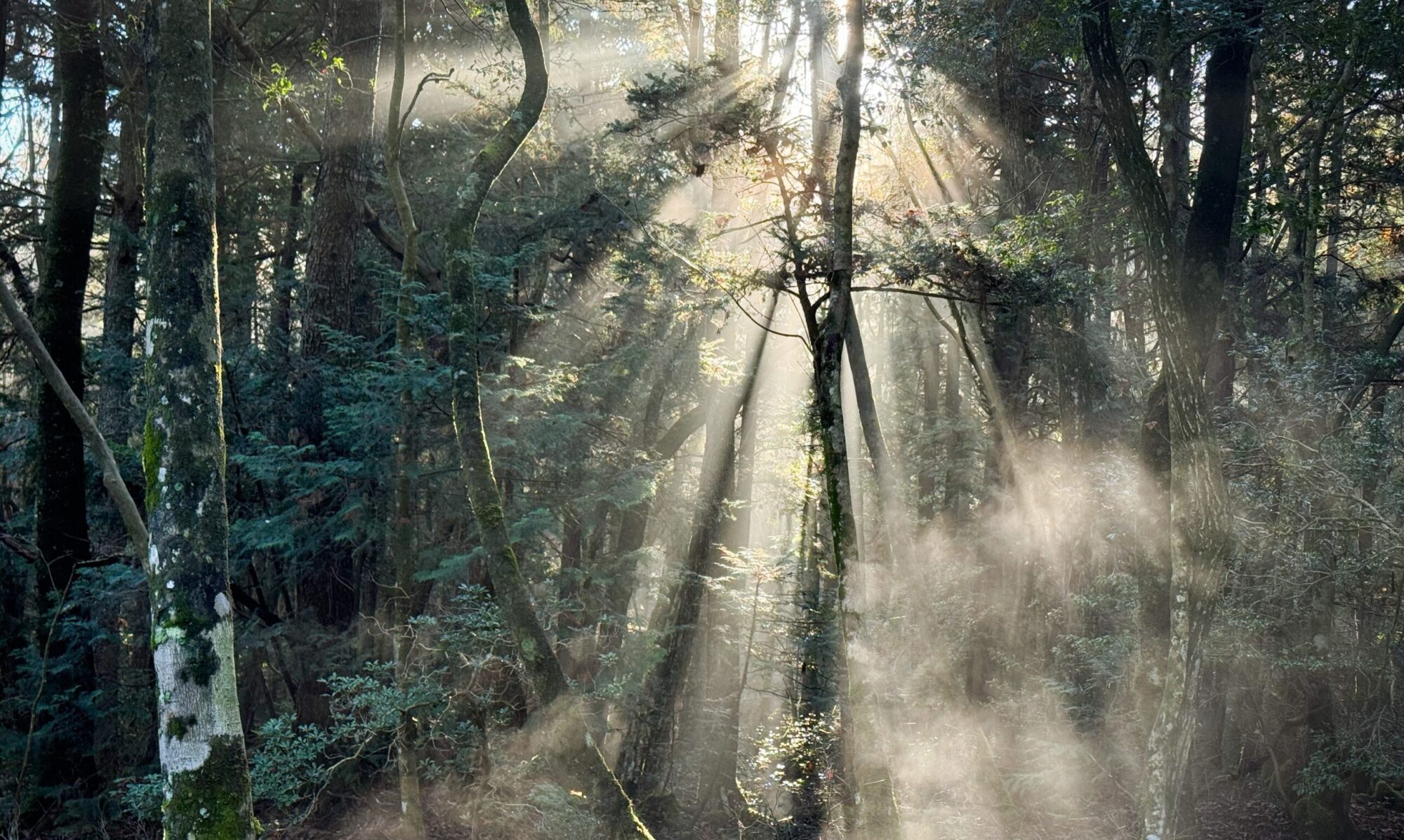
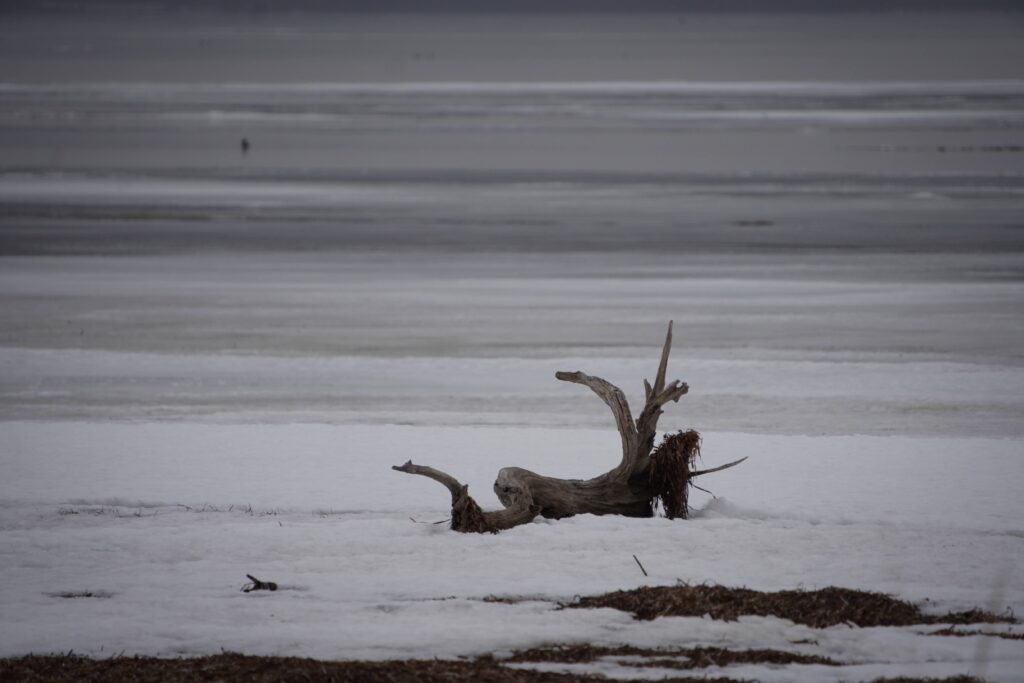
A lush primeval forest of Mongolian oak and Sakhalin fir once flourished here. However, due to ground subsidence and rising sea levels, the trees have died and withered. Today, they remain as bleached, weathered skeletal remains known as “Narawara” and “Todowara”. With no houses nearby, only a few weathered shacks along the shore, the sense of being at the “edge of the world” is profound.
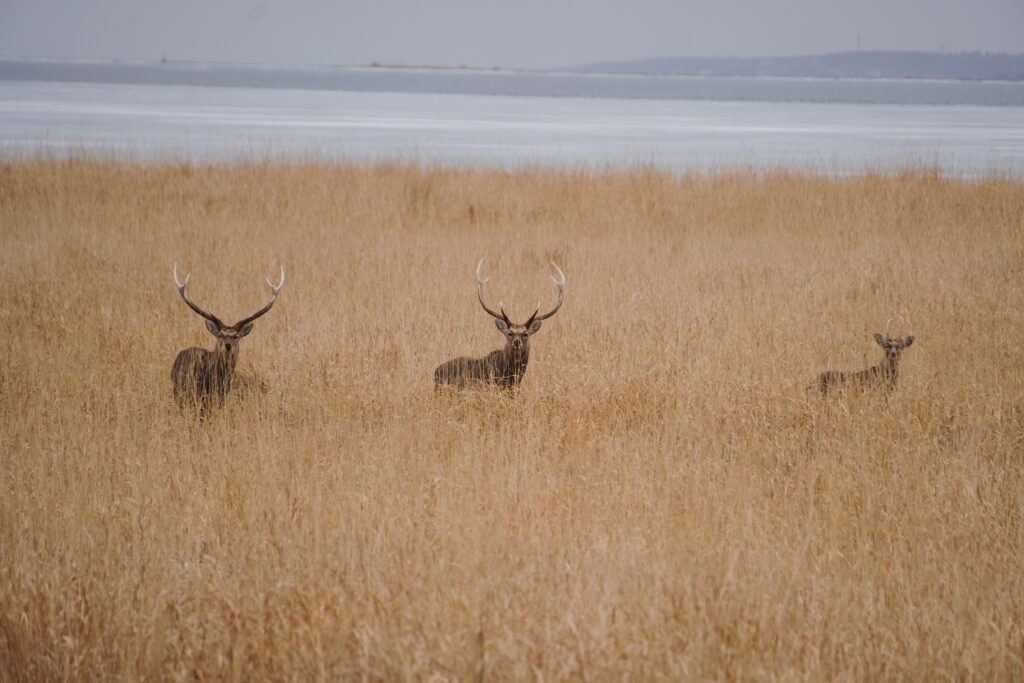
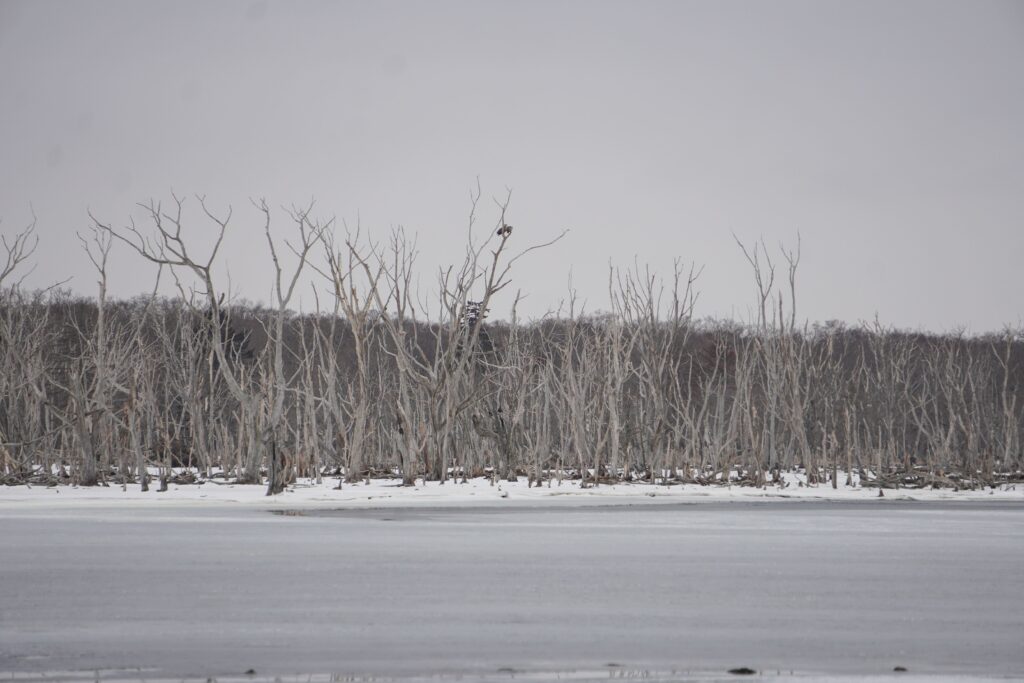
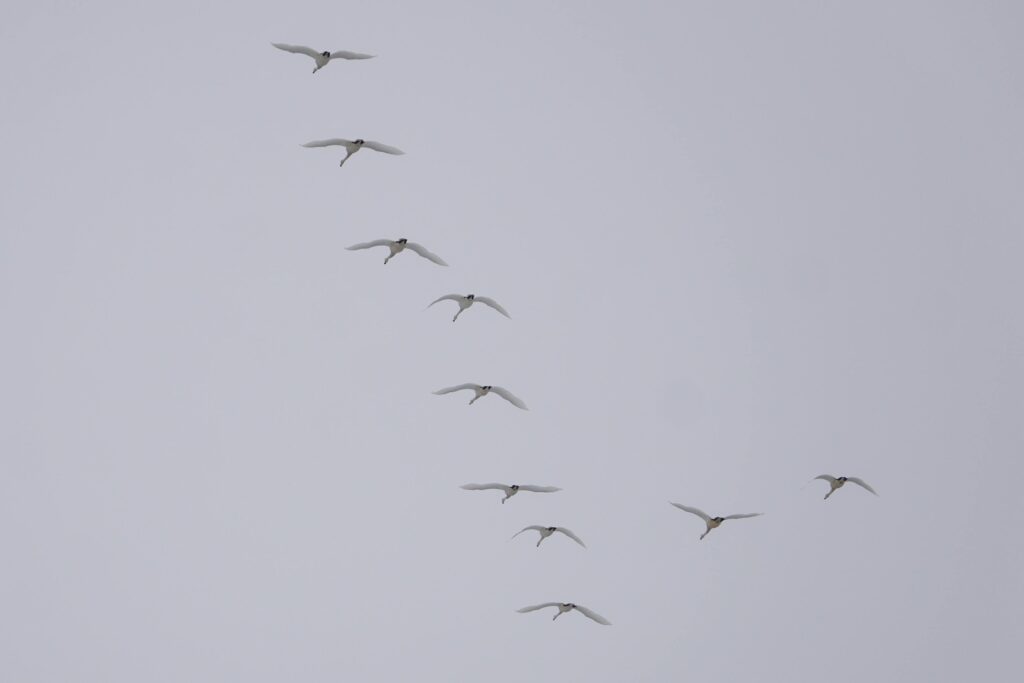
The photos below were taken during my previous visit in June last year.
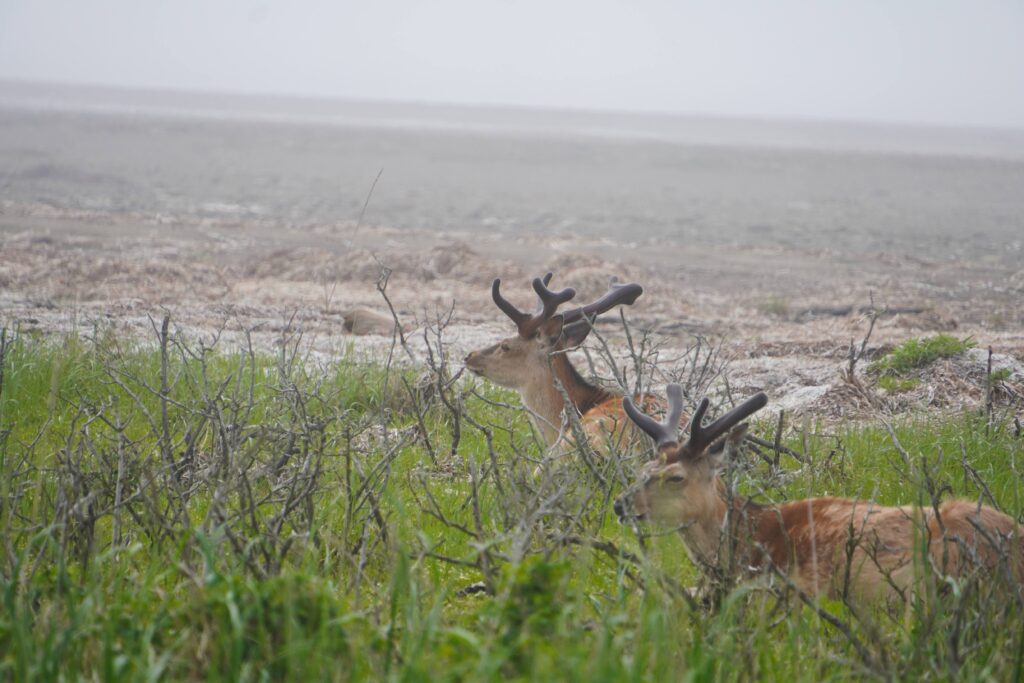
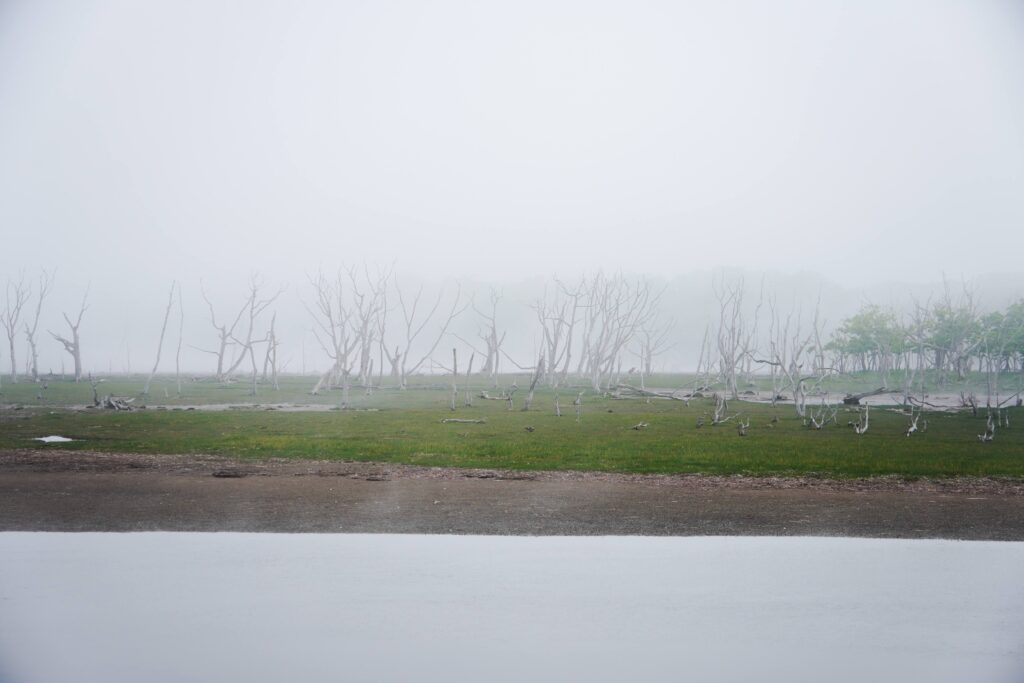
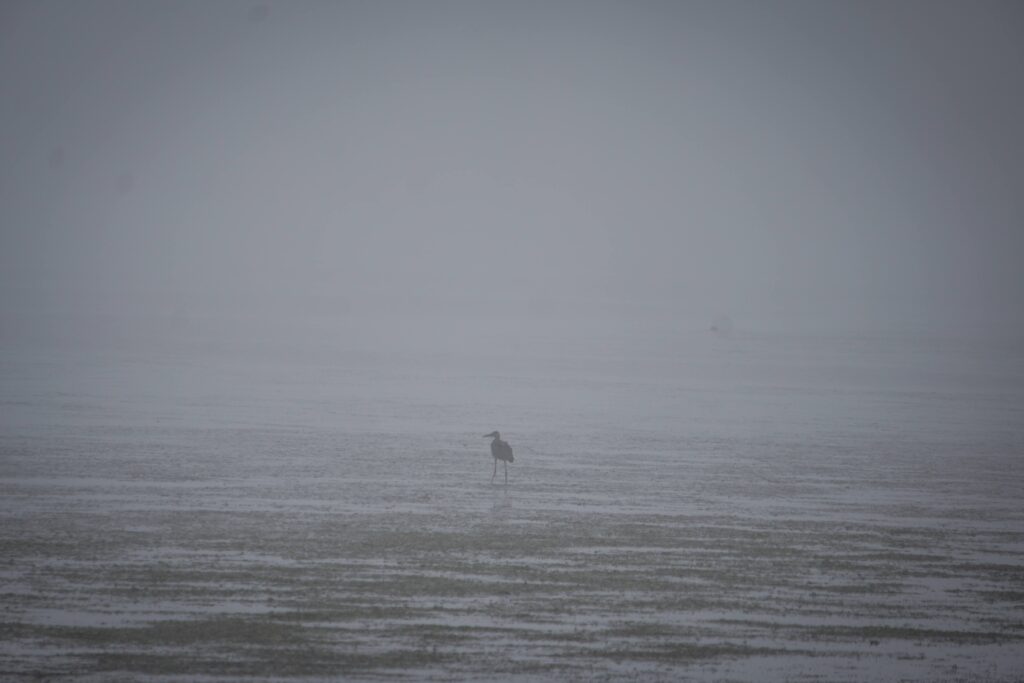
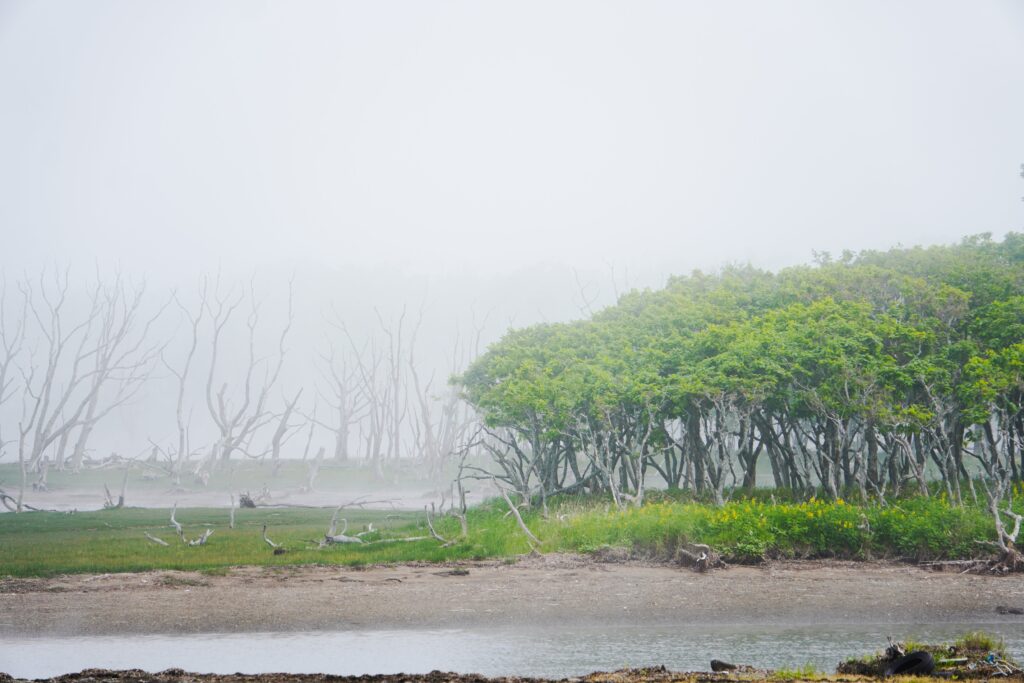
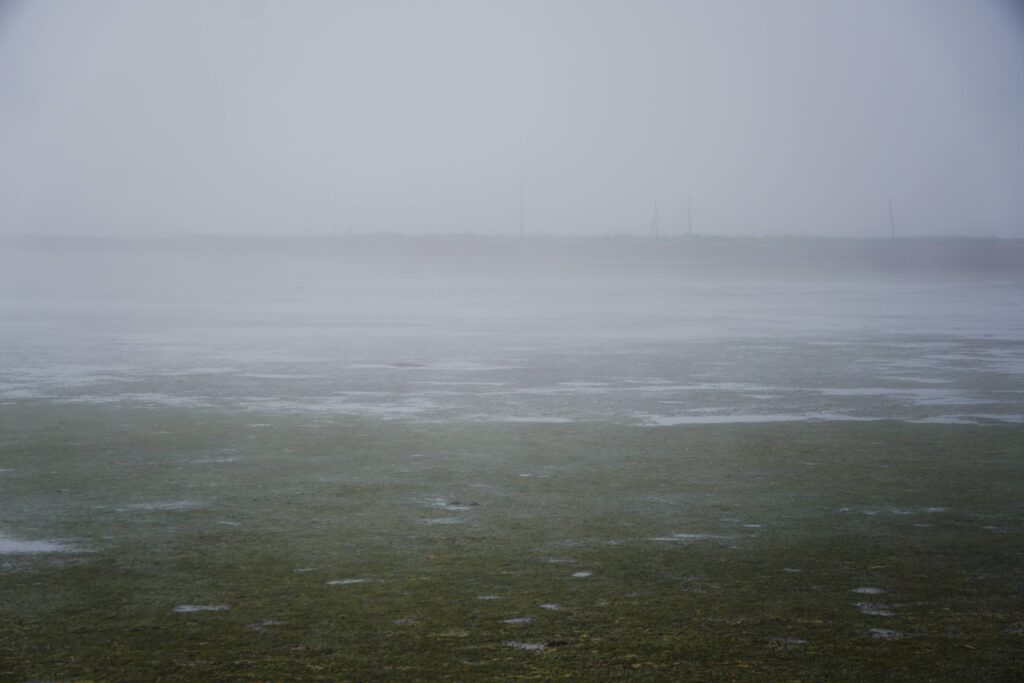
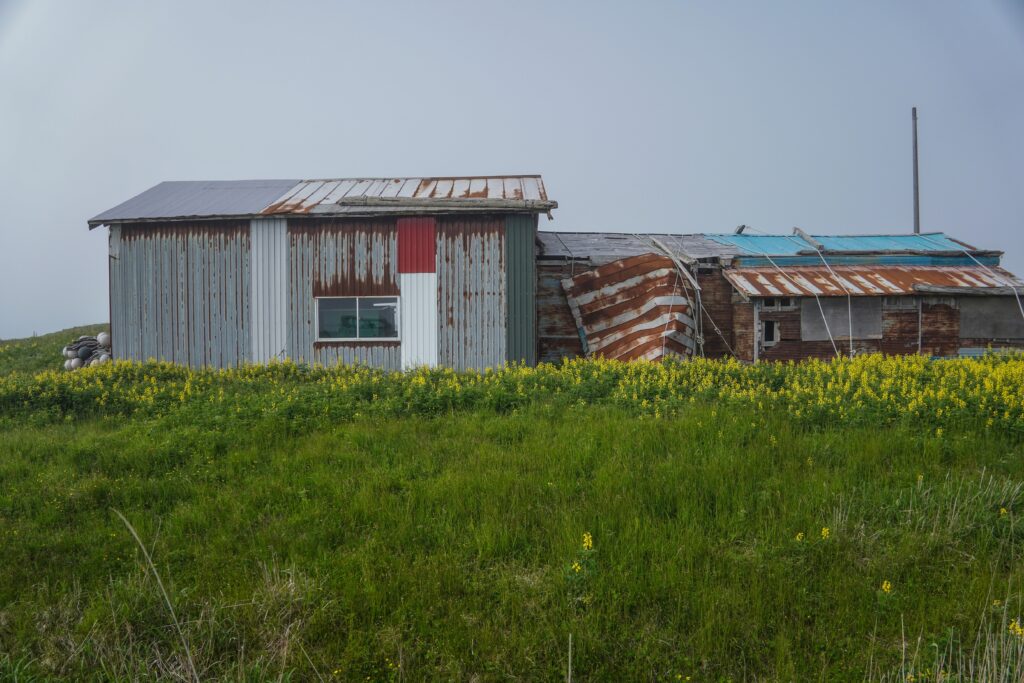
This “unstable land,” formed by sand carried by ocean currents, is slowly shrinking. The rate of erosion now exceeds that of sediment accumulation, and it is said that the peninsula itself may disappear within a few decades. If the drift ice in Rausu is the engine that fosters life, this is the frontline where the sea slowly swallows the land.
The Sea’s Cradle Born from an End
Yet, this “dying land” supports the beginning of new life beneath the waves. As the earth erodes and dissolves into the sea, the rich organic matter and minerals stored in the soil are released. These nutrients nourish the vast meadows of eelgrass (amamo) on the floor of Notsuke Bay.
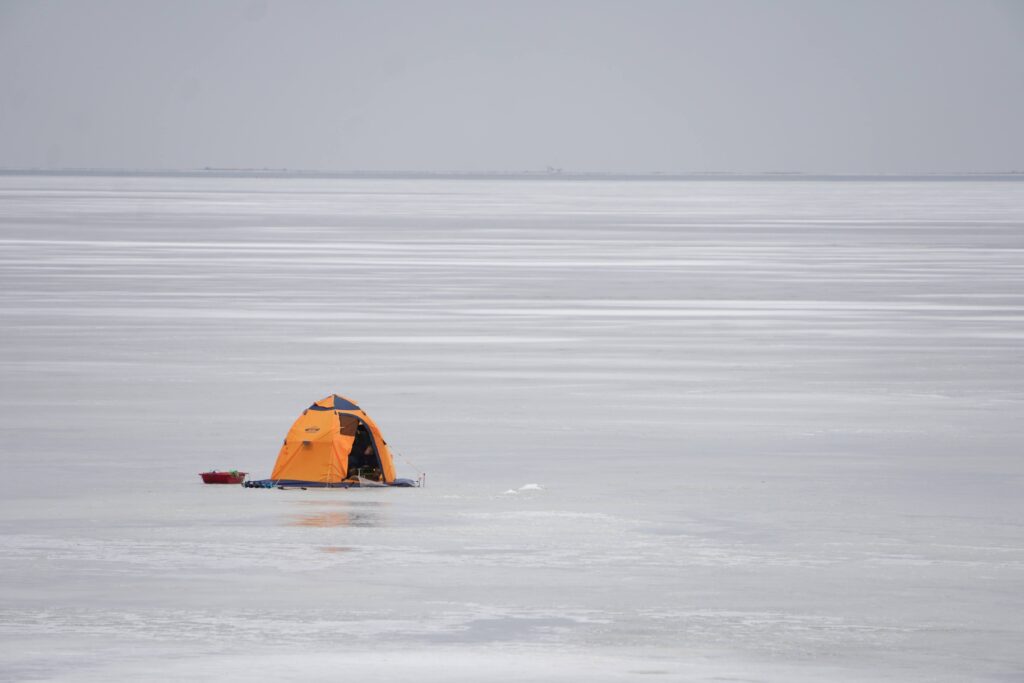
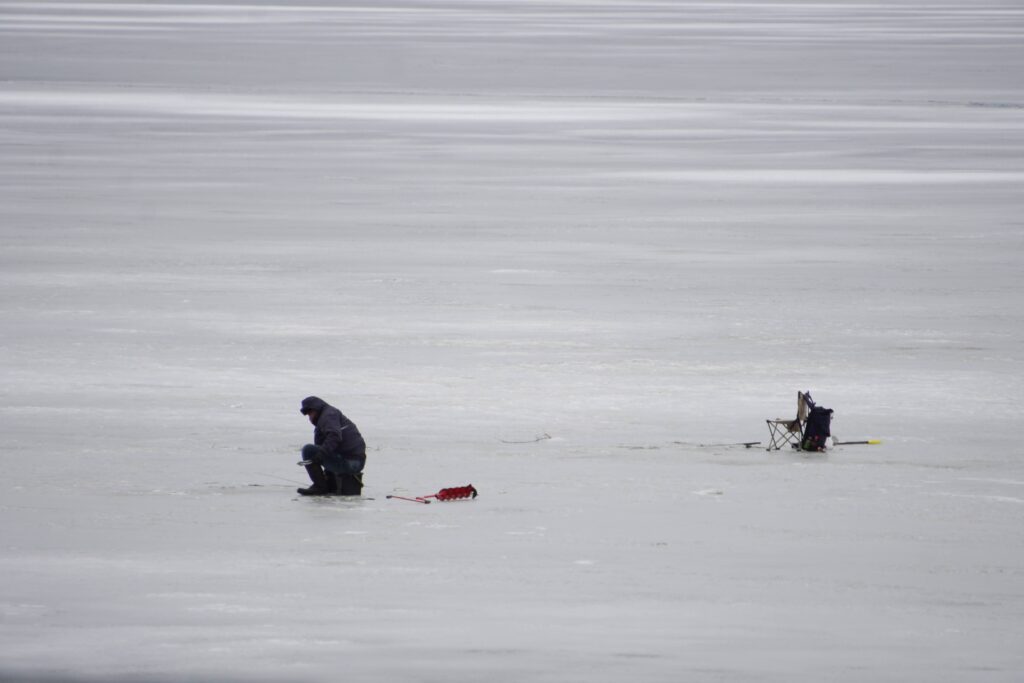
These eelgrass beds serve as a “cradle for fish,” providing a sanctuary and spawning ground for species like hokkai-shima prawns and young flatfish. In turn, this abundance attracts migratory birds, such as snipes, plovers, and brent geese, which use the shallows as a vital stopover on their long journeys.
An End is a Beginning
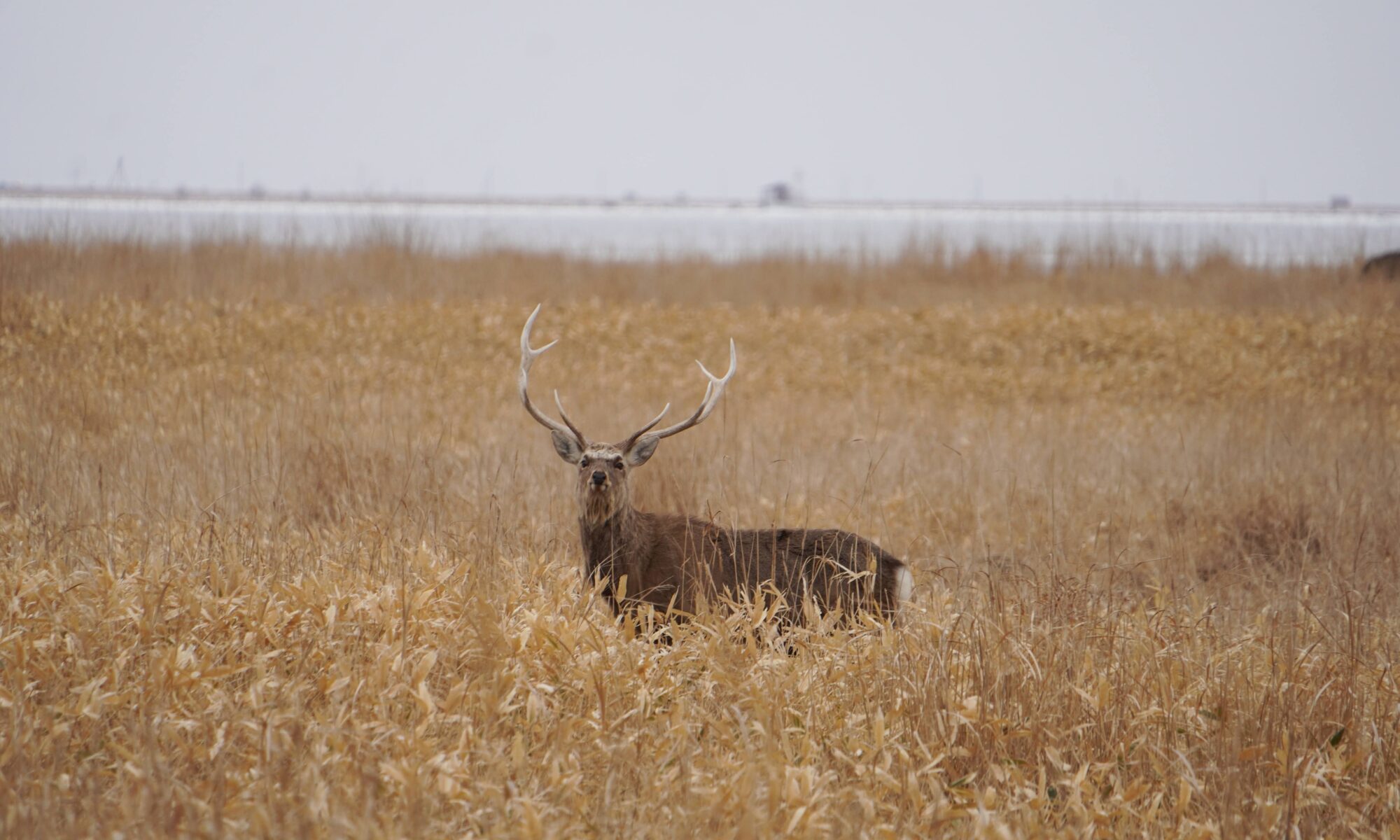
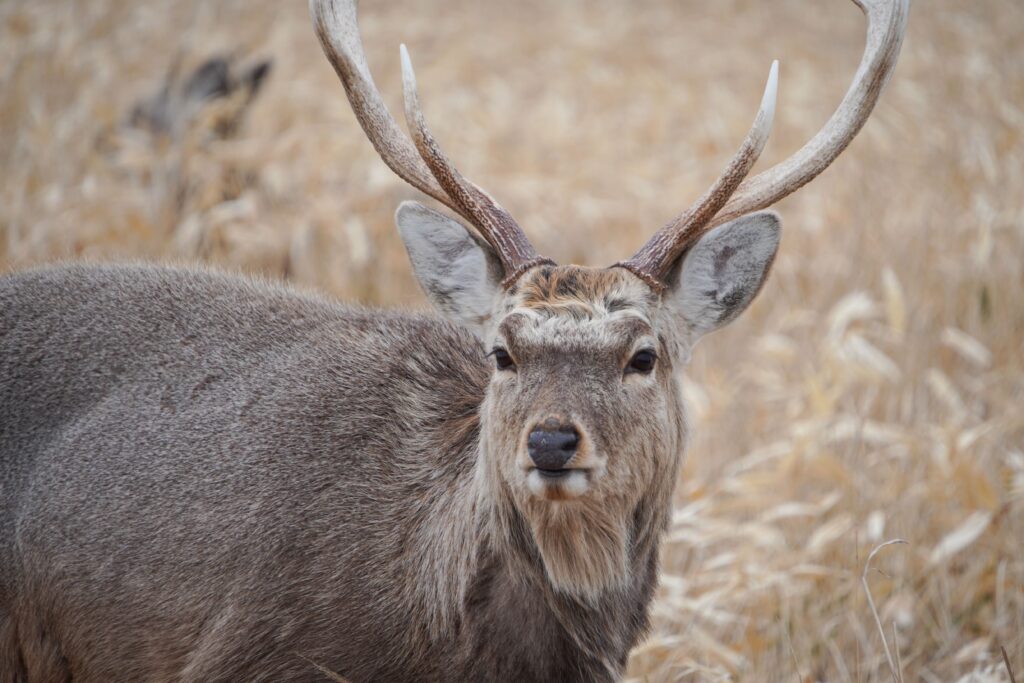
The peninsula itself is a “dynamic land,” built by sand from the currents, taking shape over ages, and now returning to the sea. To the Ezo deer wandering among the withered trees, this is not a place that is “disappearing,” but simply the place where they live today.
Just as the drift ice draws nutrients from the depths, the disappearance of this land is part of a grand cycle. The breaking down of one form is merely preparation for the beginning of another. The eventual disappearance of Notsuke is but a single chapter in an eternal story of transformation.
Rausu represents the “vibrant cycle of life,” while Notsuke shows us “the land quietly changing its form.” Though they appear contrasting, both are parts of the same great cycle that our planet repeats over and over.
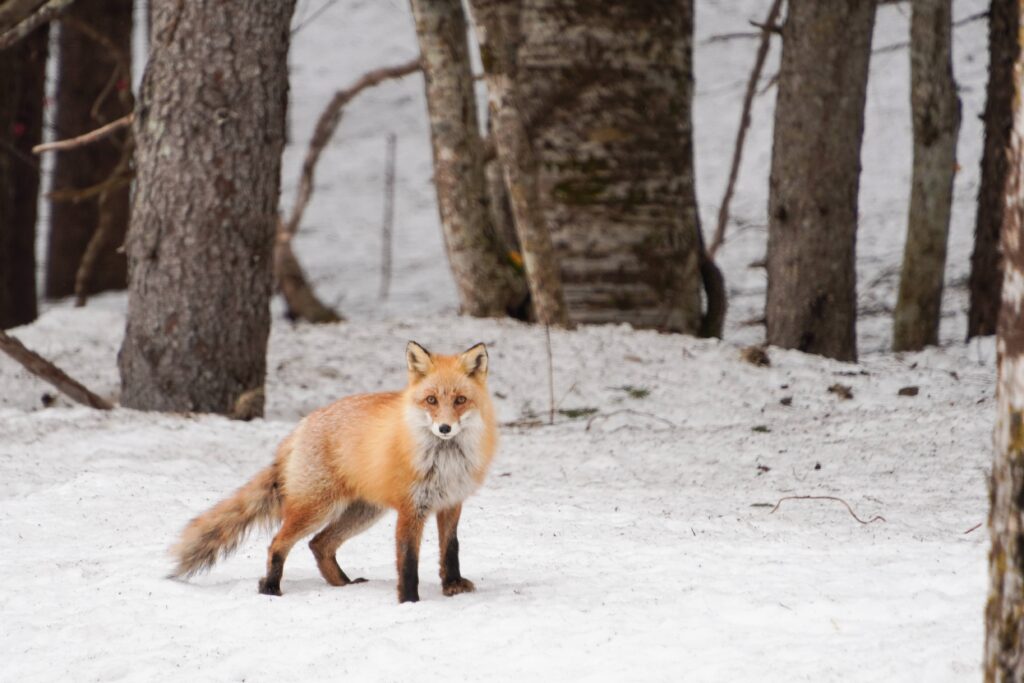
On my way back, a red fox stood still, watching me intently.