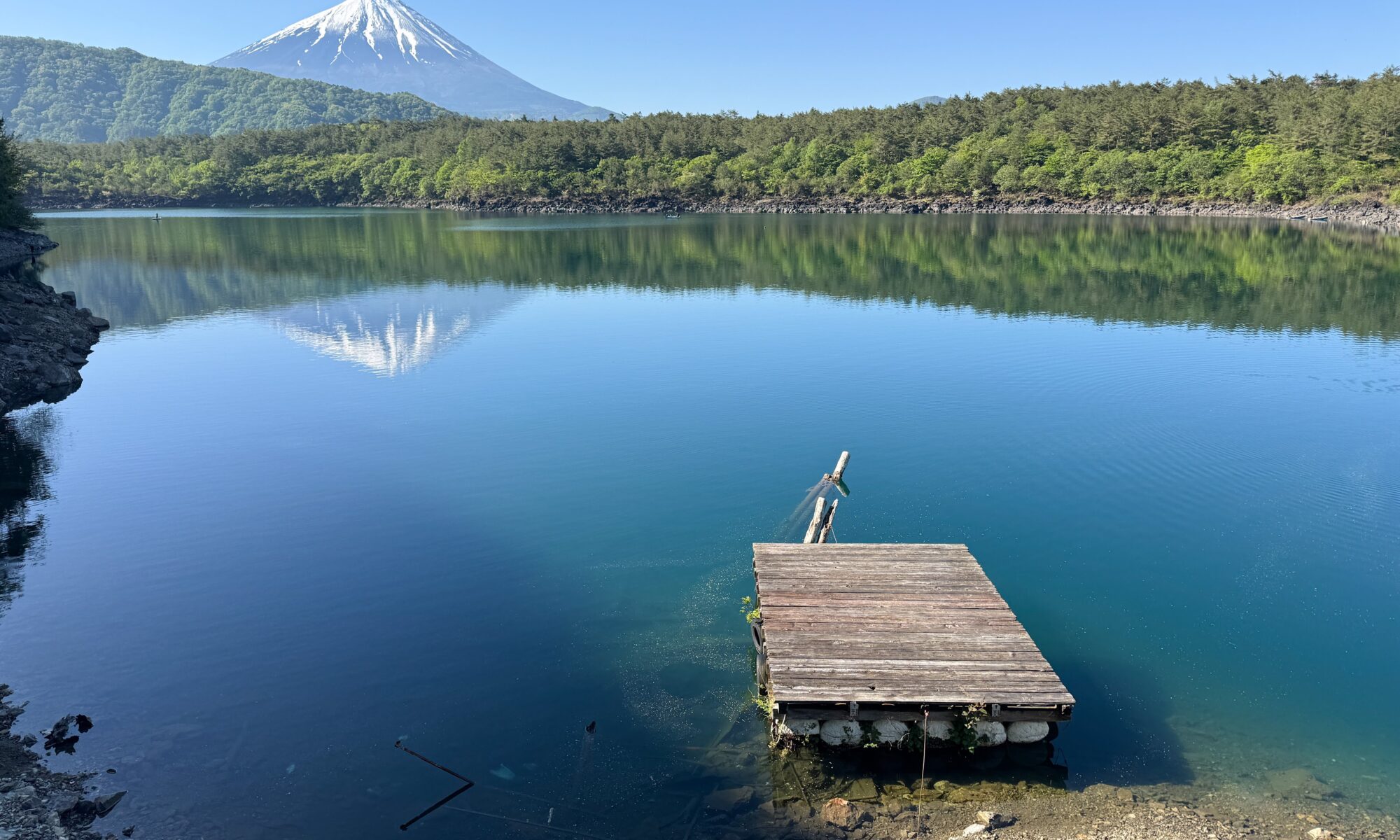
The temperature is rising, and I find myself spending more time guiding out on the lake.
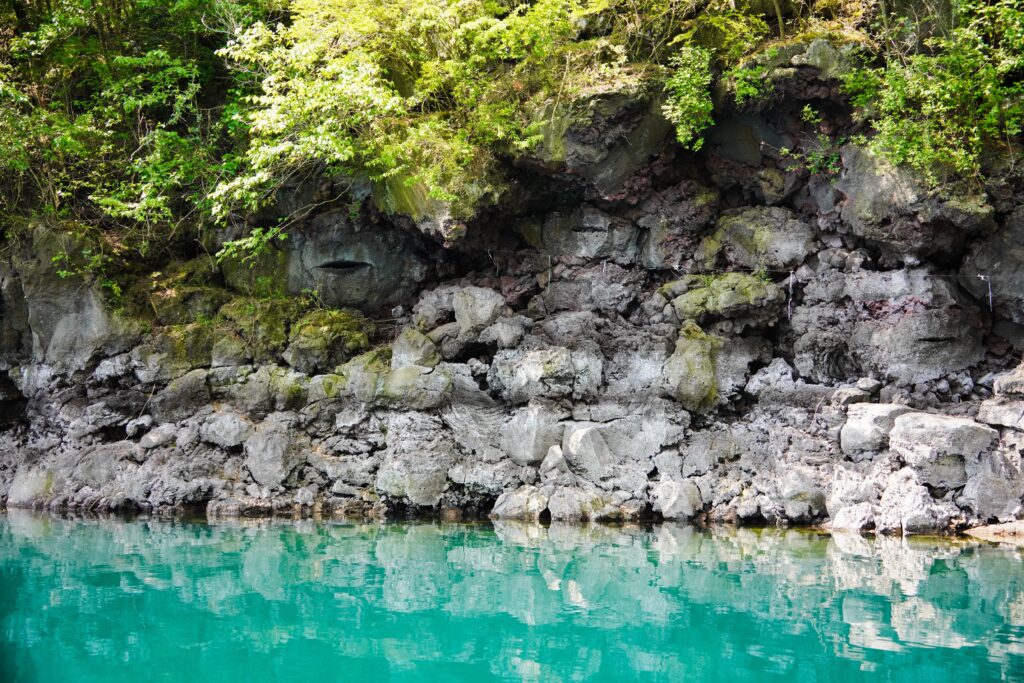
Perhaps due to the lack of snow this winter, the water level has dropped significantly. As a result, the lava walls rising from the water appear much taller than usual.
The border between the black and white on the wall marks the usual water level. I used to think the white line was caused by the water bleaching the stone, but it turns out to be the exact opposite—it is actually a build-up of diatoms clinging to the surface.
Right by the lava beds, large carp were swimming, and the largemouth bass seemed to be in the middle of pairing.
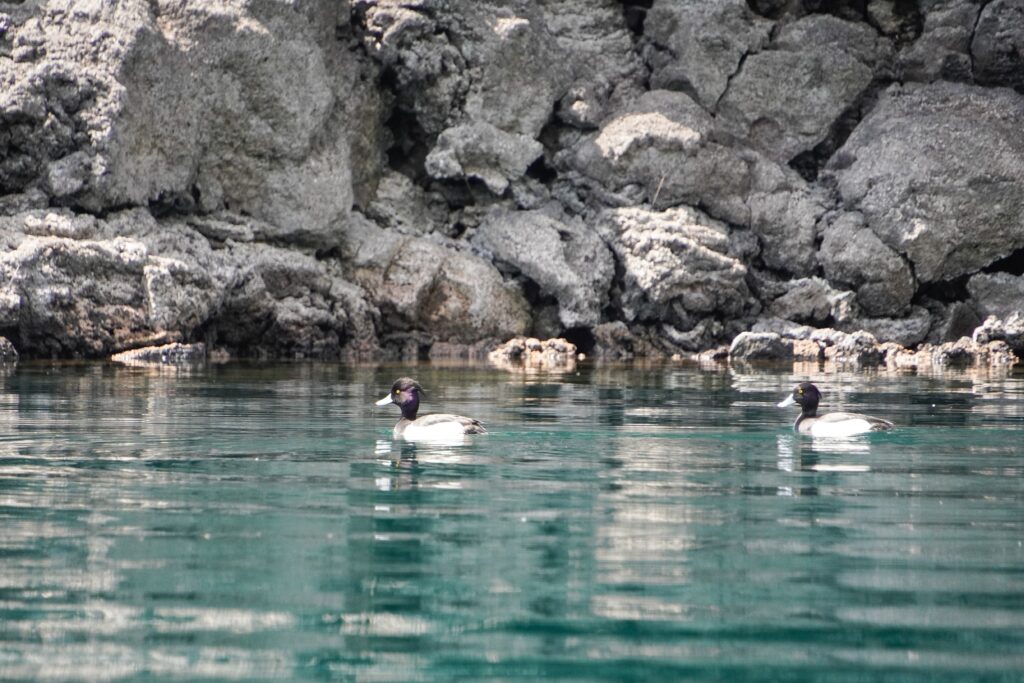
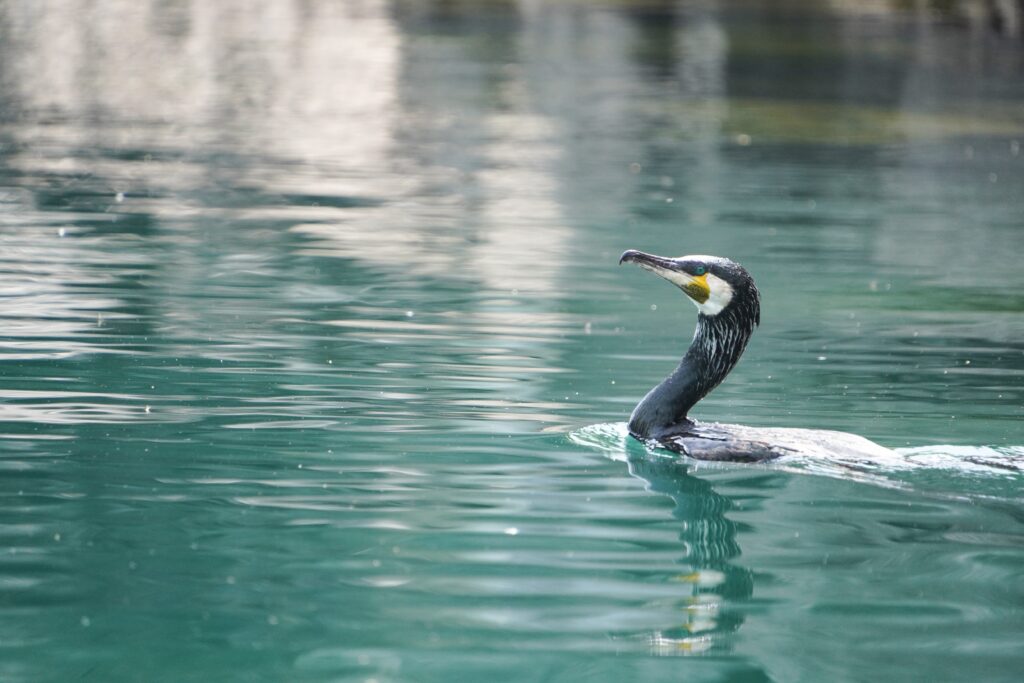
Looking across the water, I noticed a tufted duck was still around. Normally, they would have returned to Siberia by this time of year, but this one remains here. I wonder what kept it behind.
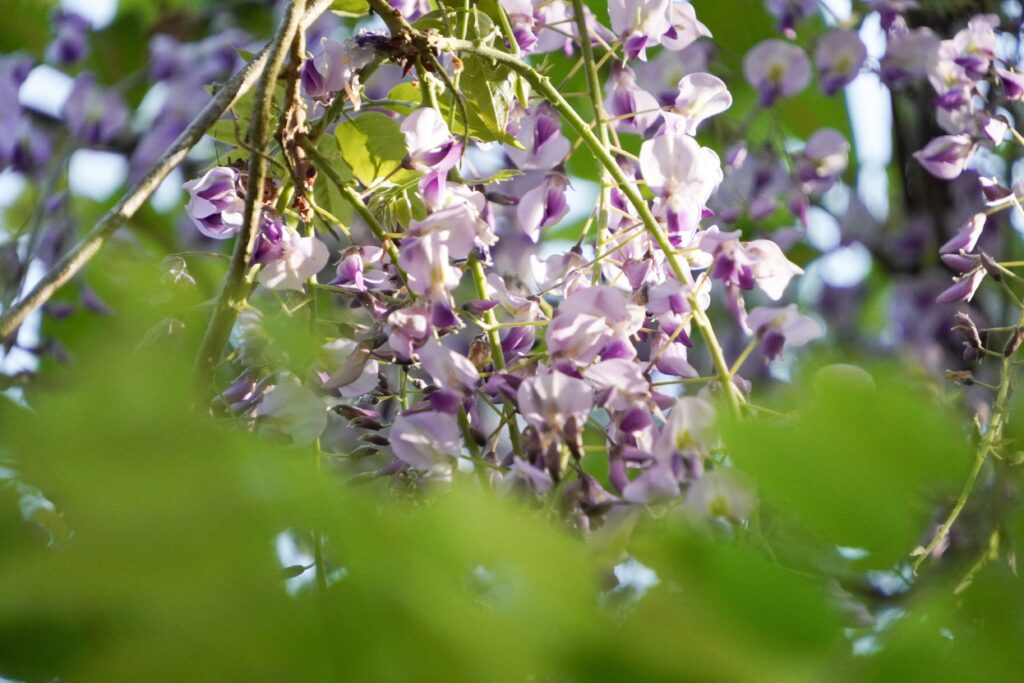
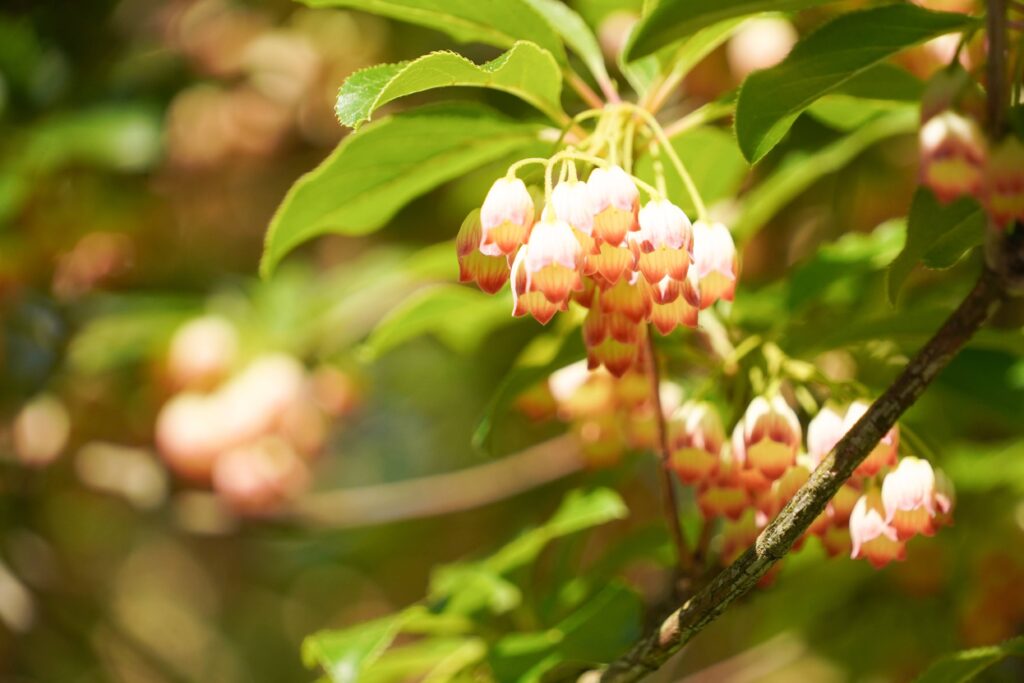
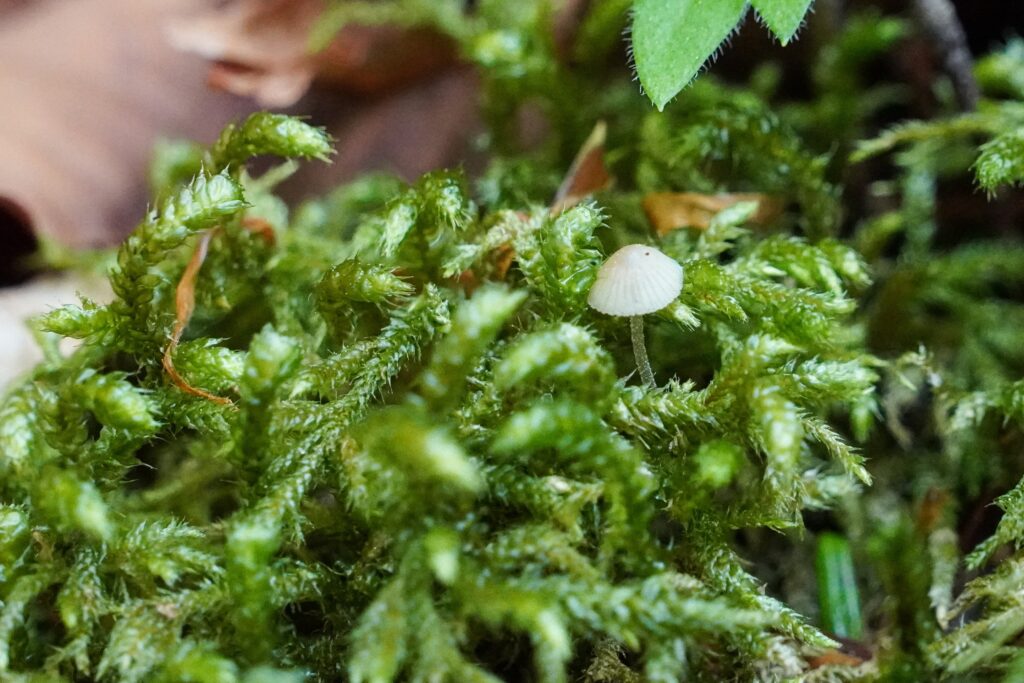
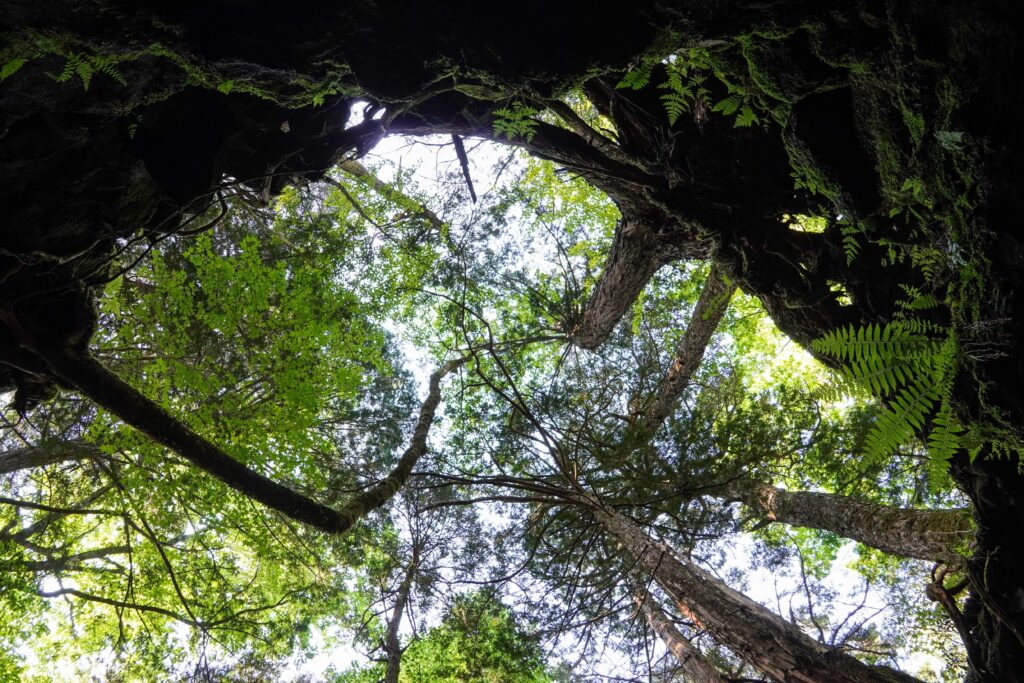
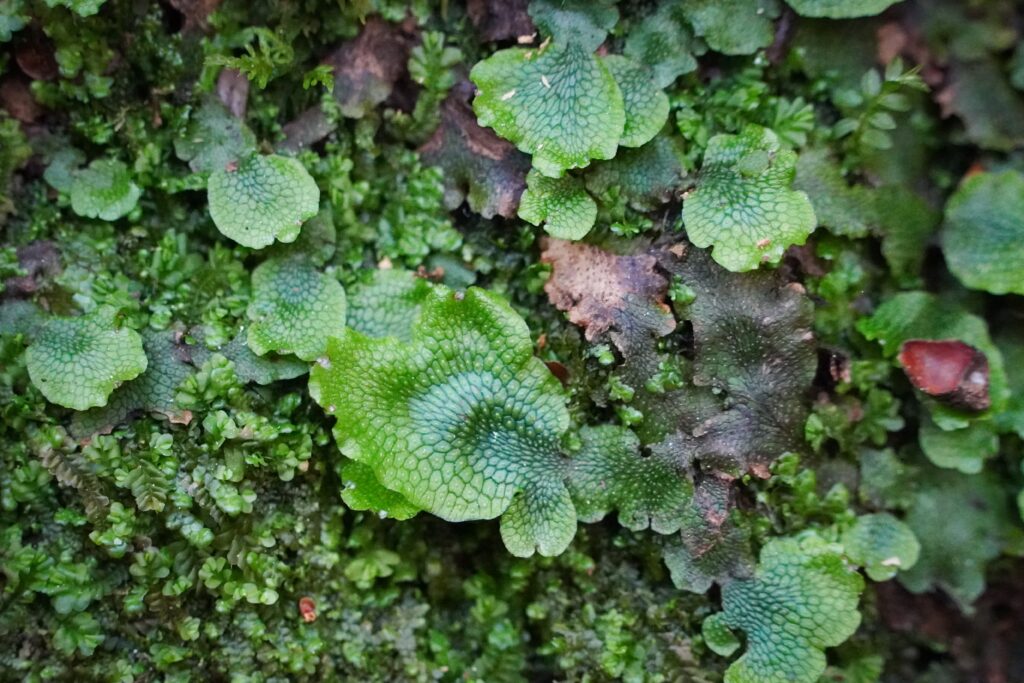
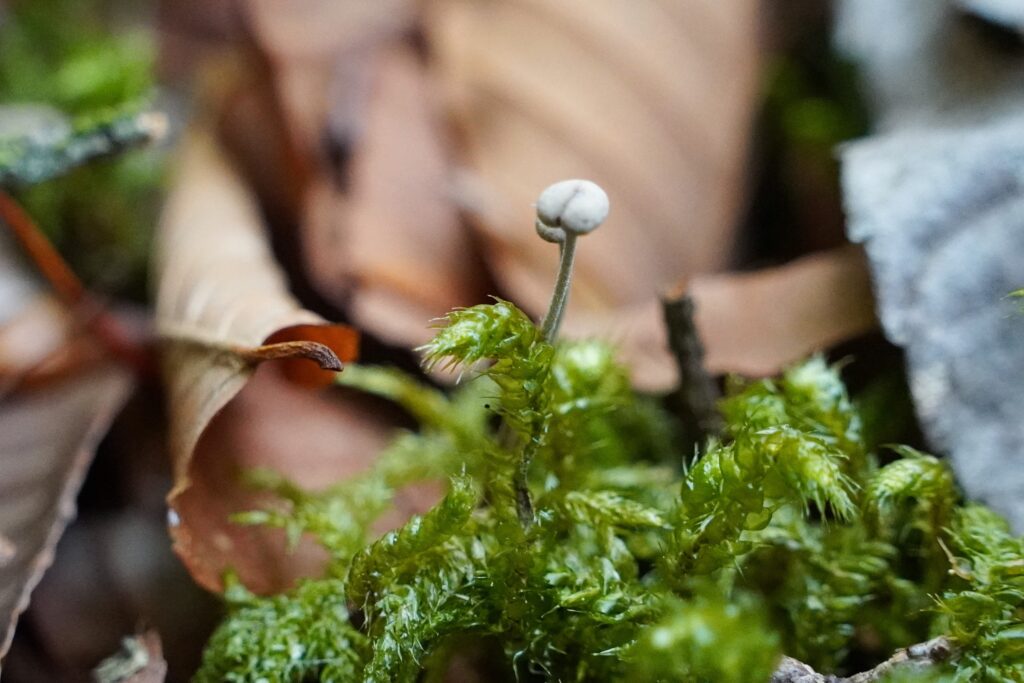
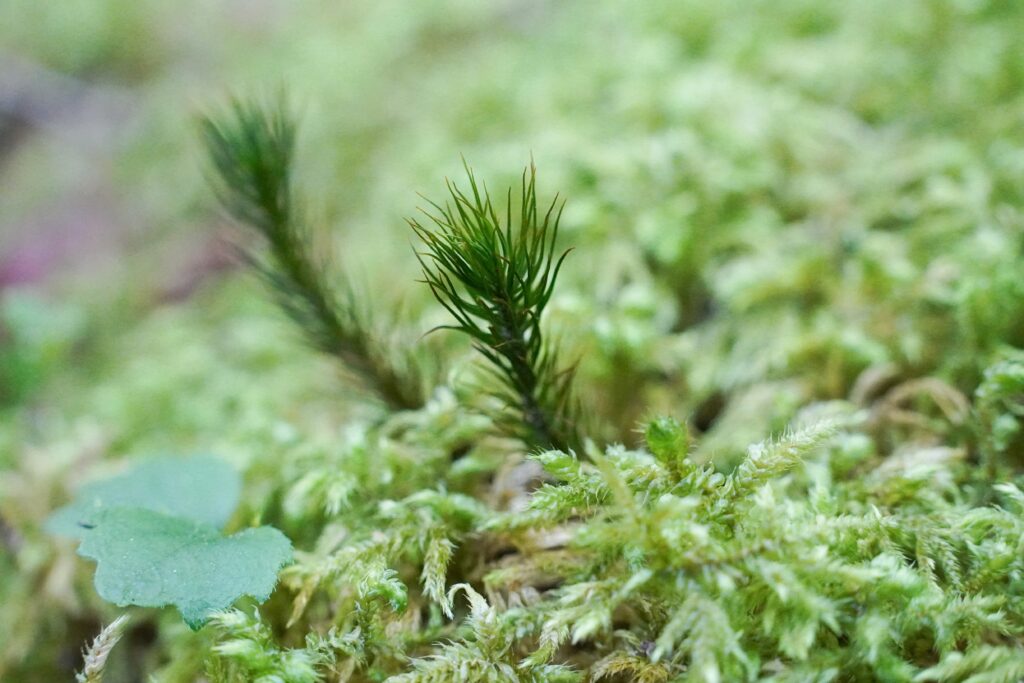
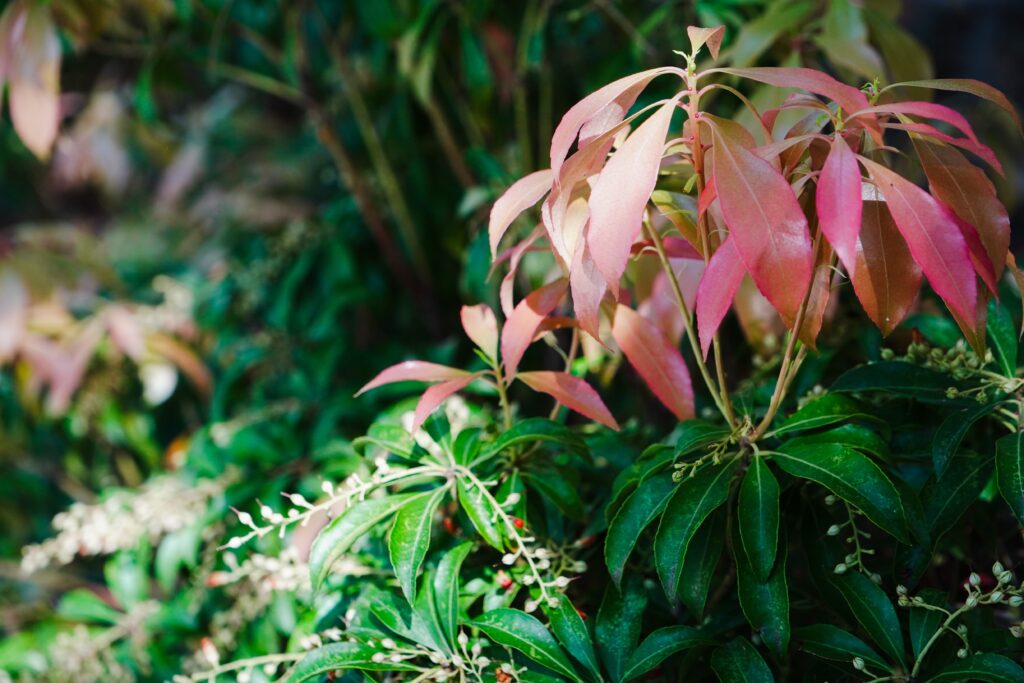
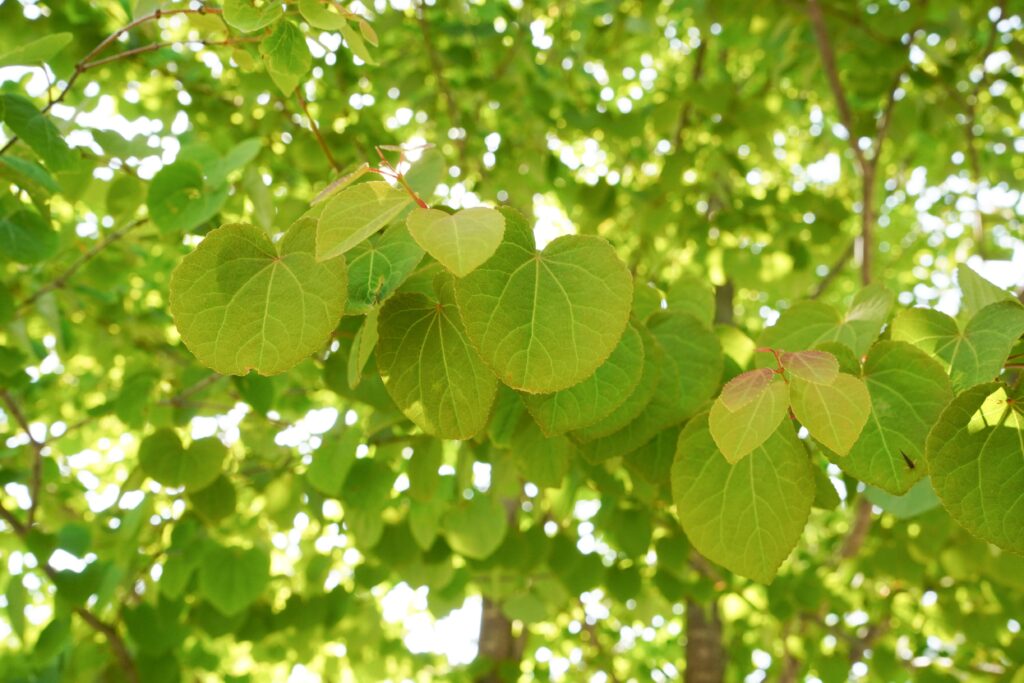
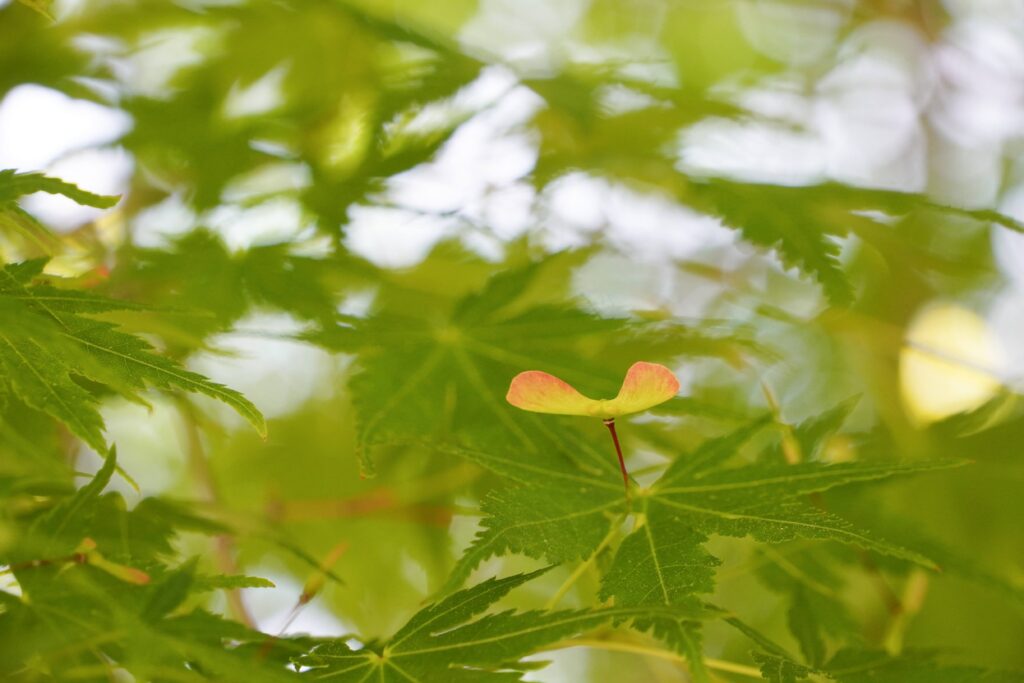
In the Aokigahara forest, flowers are blooming, the moss is lush and green, and the plants are busily putting out new shoots. At this time of year, you notice that many of these new shoots have a reddish tint. I learned this acts as a kind of natural sunscreen to protect their delicate tissue from ultraviolet rays. The red pigment, anthocyanin, serves as a filter to protect the leaves, while also acting as camouflage to hide them from insects that look for green as a sign to feed. Once they grow and turn green, they finally begin photosynthesis. Each plant is making full use of its own survival strategy, bringing life into full bloom.
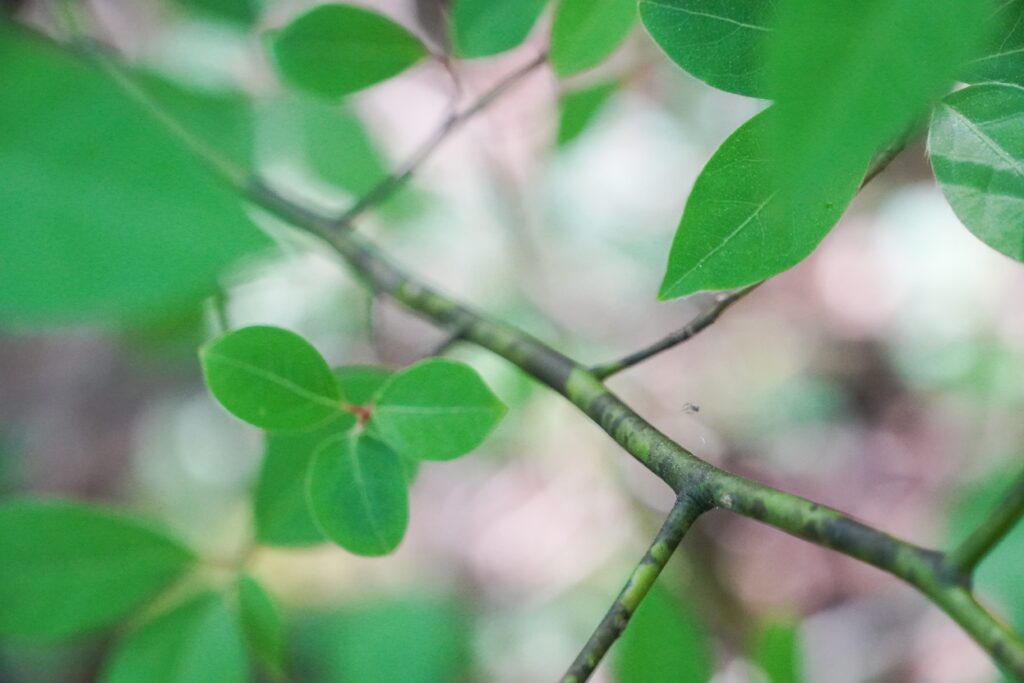
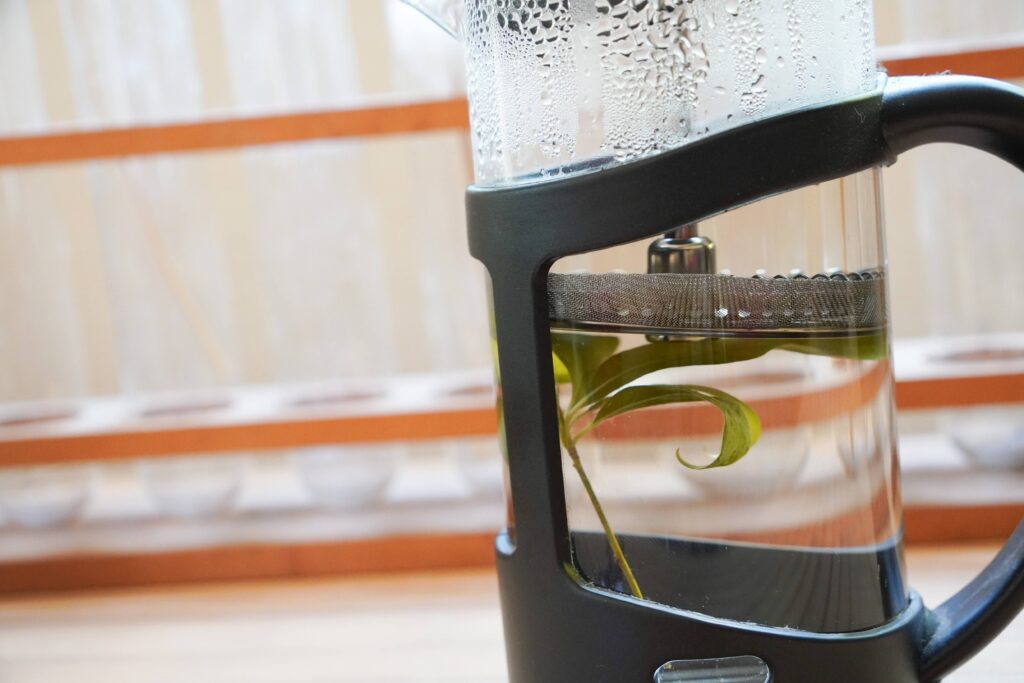
I gather a few fresh leaves from a lush kuromoji (Japanese spicebush) to enjoy as tea.
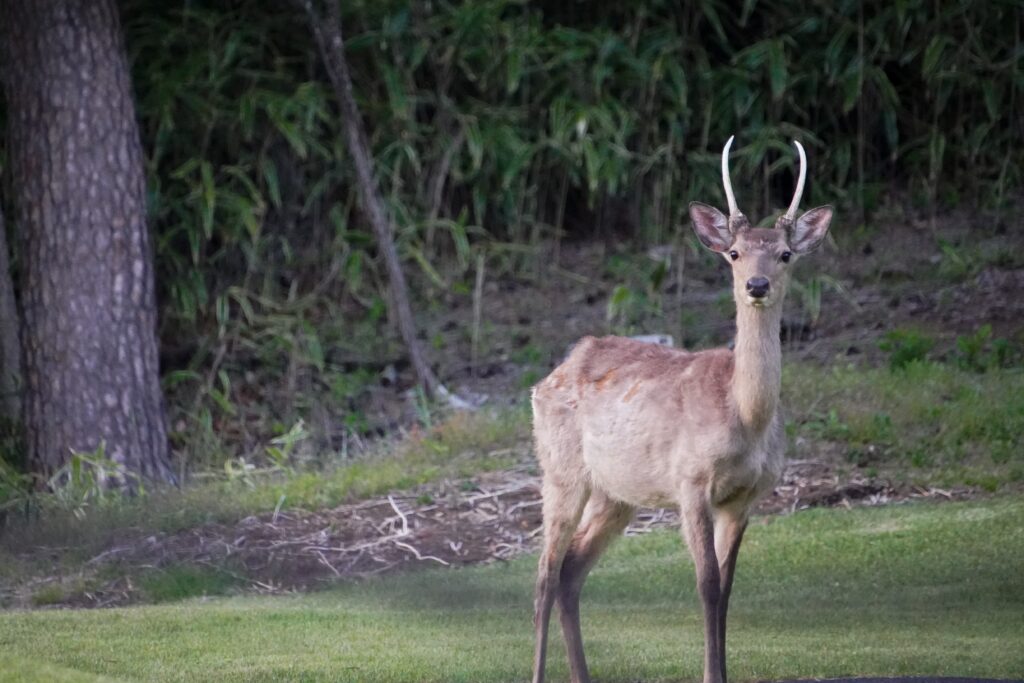
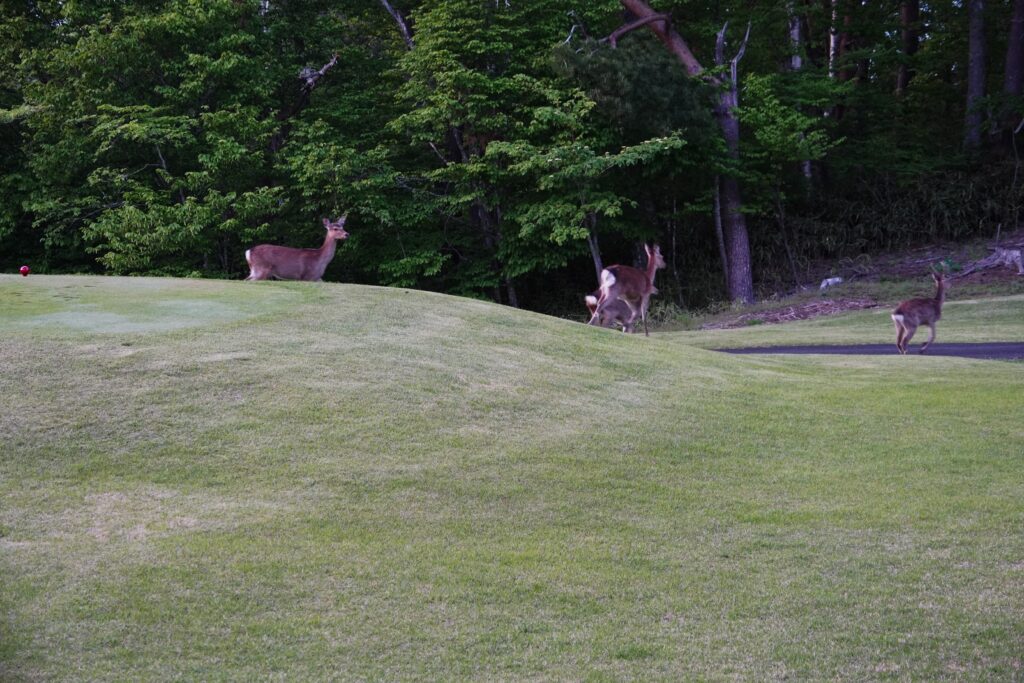
The deer, whose antlers were just soft, velvet-covered buds not long ago, now show fine, mature antlers. They were wandering peacefully around the golf course, grazing as if it were their own backyard.
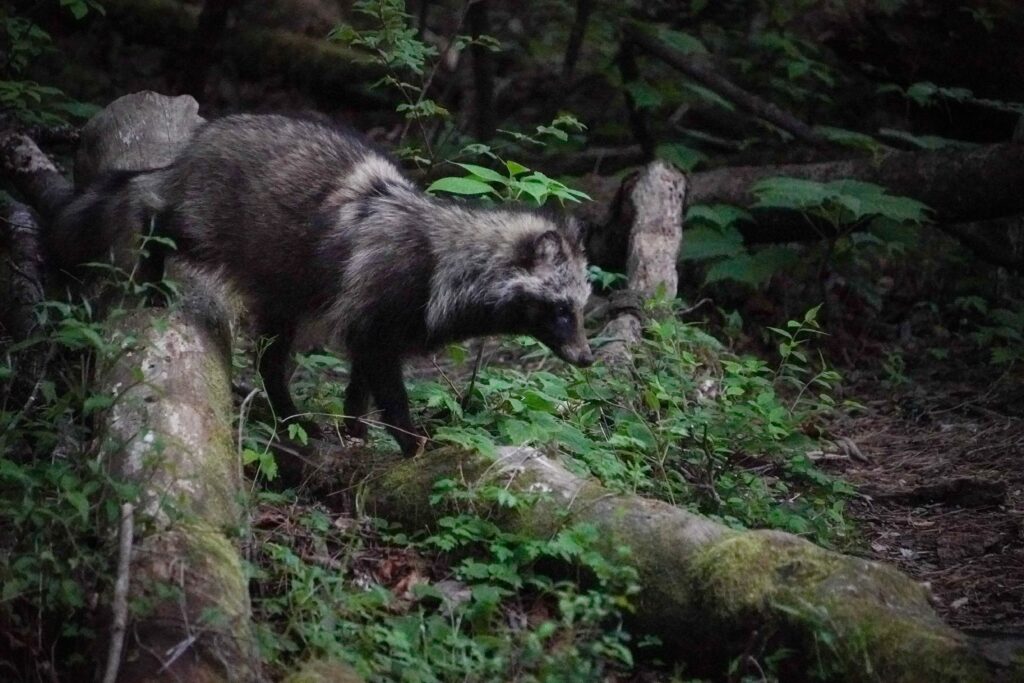
As evening approaches, the raccoon dogs silently begin their activities.
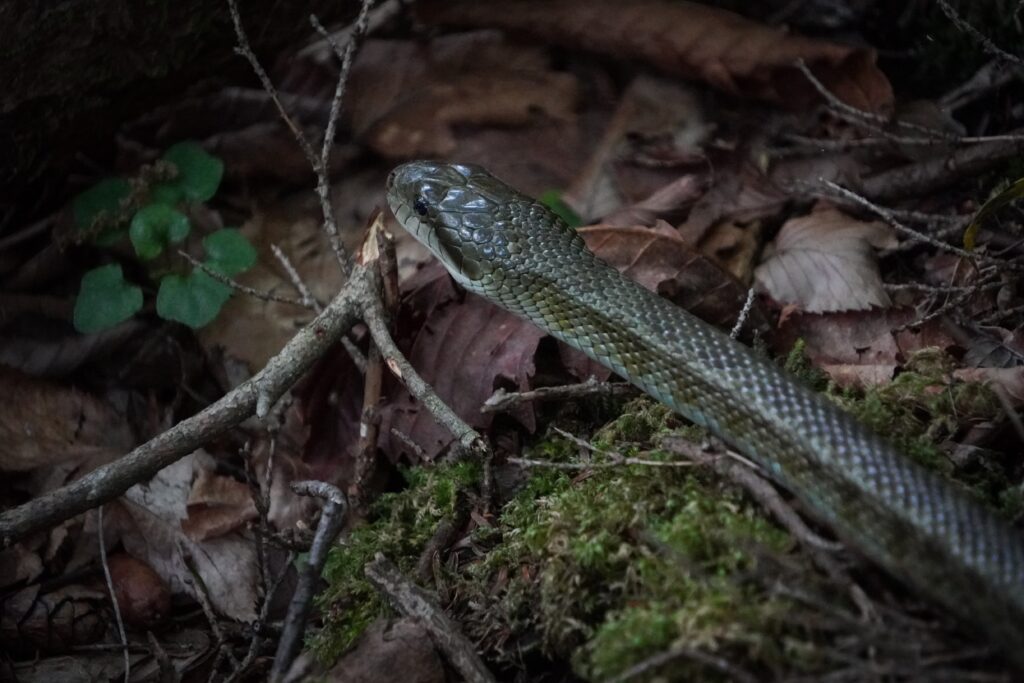
The birds on the lake, the forest trees, the fungi, and the wildlife.
We now rely so much on written words and digital information to make our decisions, but their standard for action seems to be the colours and signs right before them, the temperature and humidity, or the voice of their own bodies.
In a daily life that prioritises schedules and numbers, we might unconsciously be overlooking what we feel with our skin, our physical senses, and the certain changes happening right in front of us. Thinking about it, I too might be deciding whether it is hot or cold just by looking at the temperature displayed on my smartphone.
Sometimes, I want to step away from numbers and written information, and simply live through my five senses. When the sun sets, it is night; when it rises, it is morning. It would be nice to live within such a rhythm.
— Look at the time. It’s five o’clock already. I must be off.