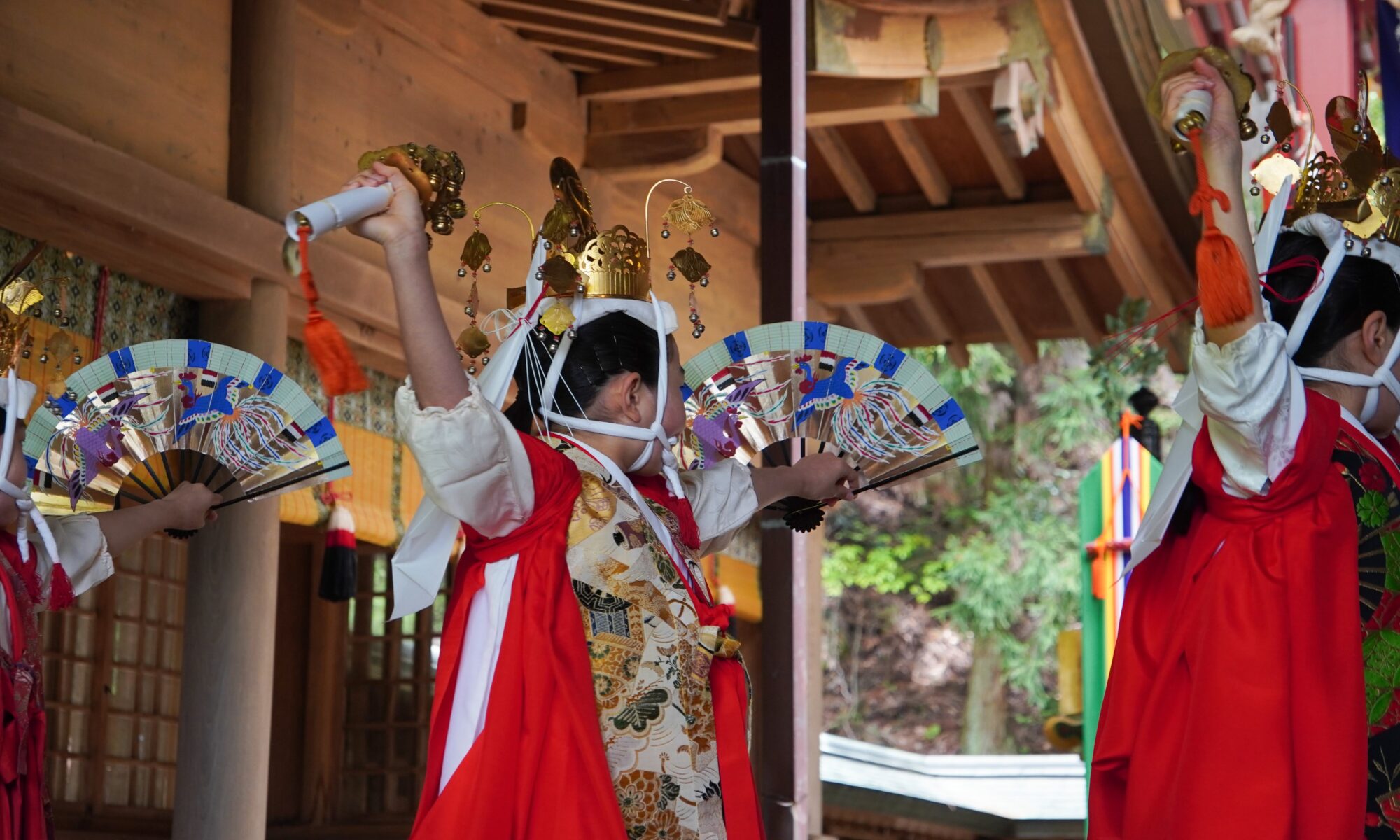
Ancient beliefs and ways of thinking are preserved within rituals.
Even if we have forgotten the original meaning behind each movement or word, the “form” remains. By looking closely at these forms, we can catch a glimpse of how people in the past viewed nature and life itself.
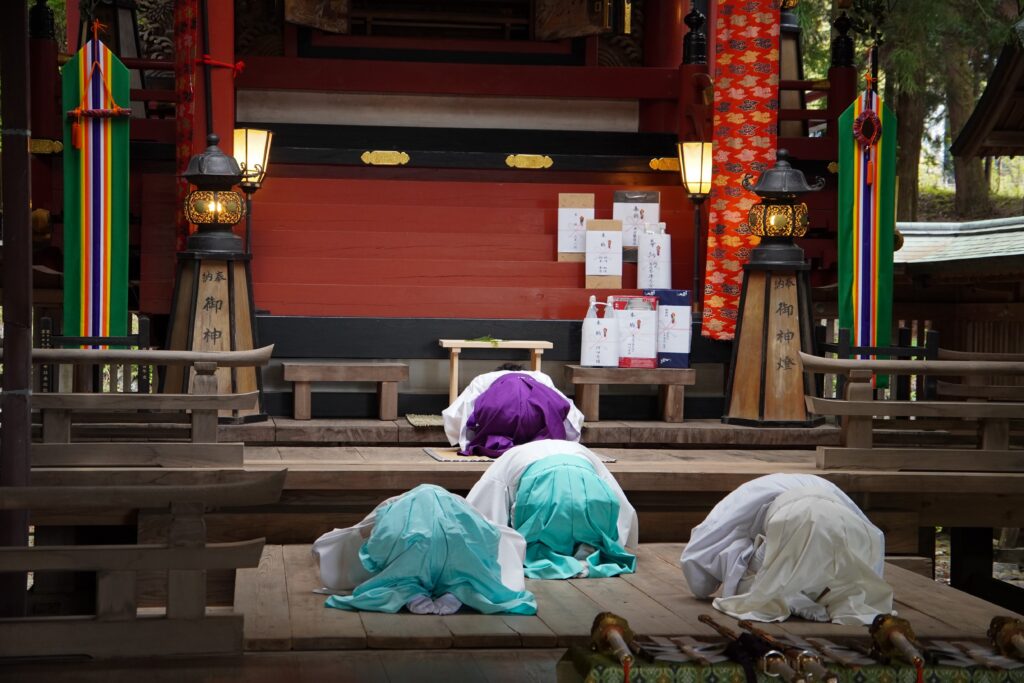
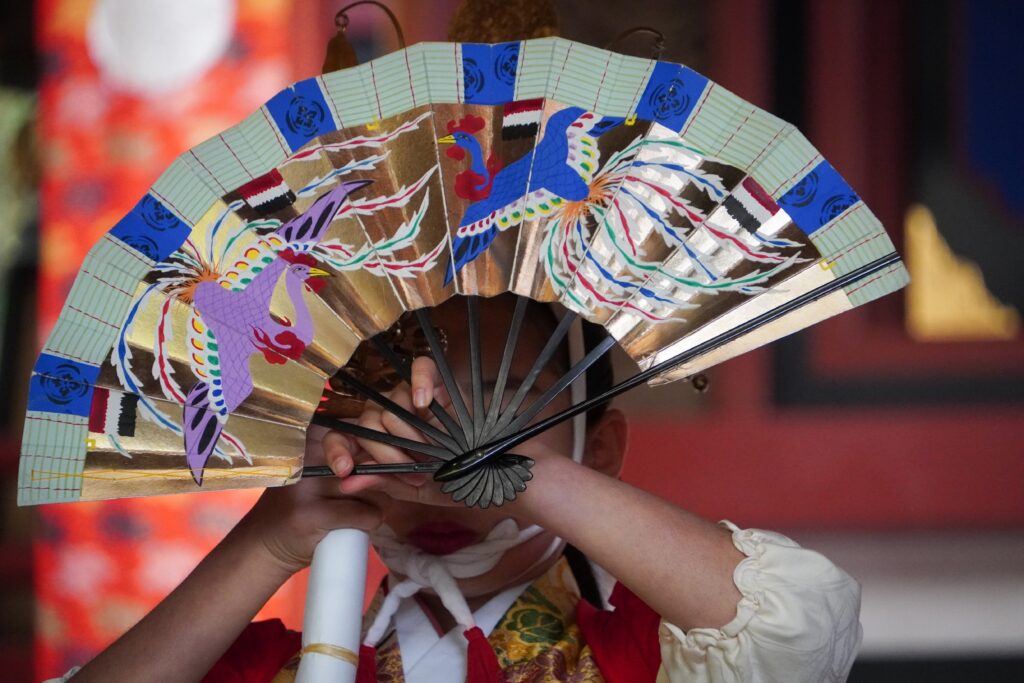
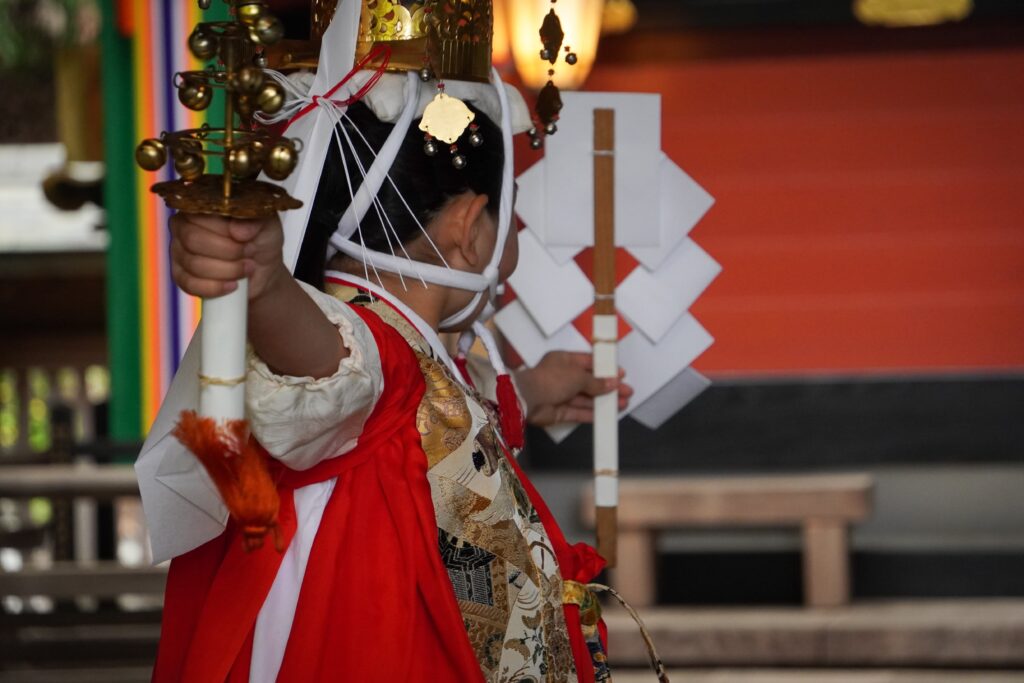
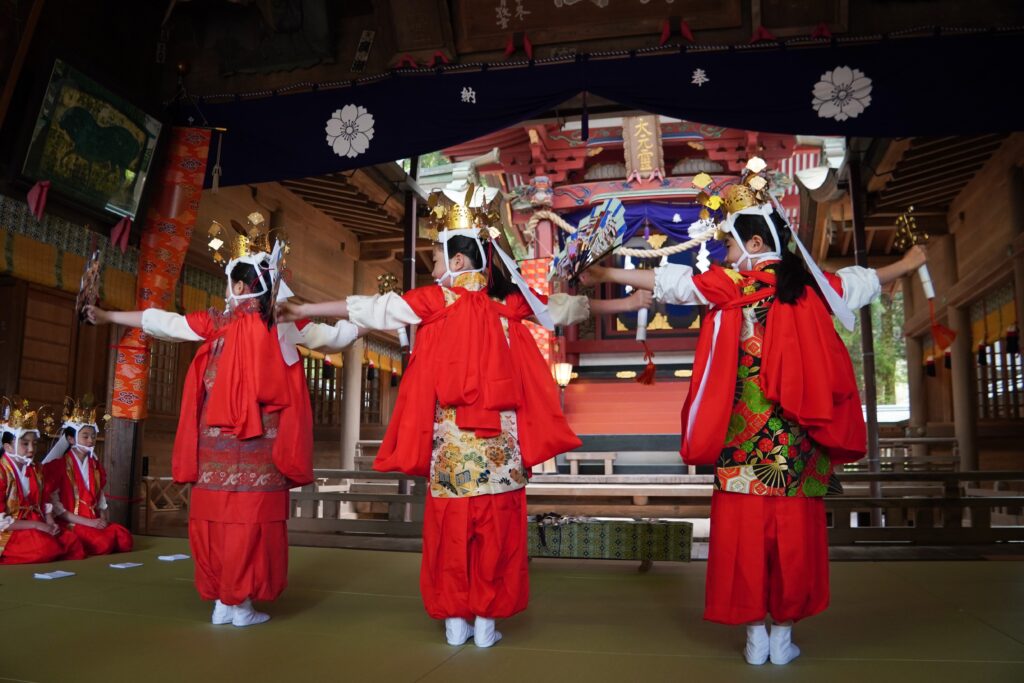
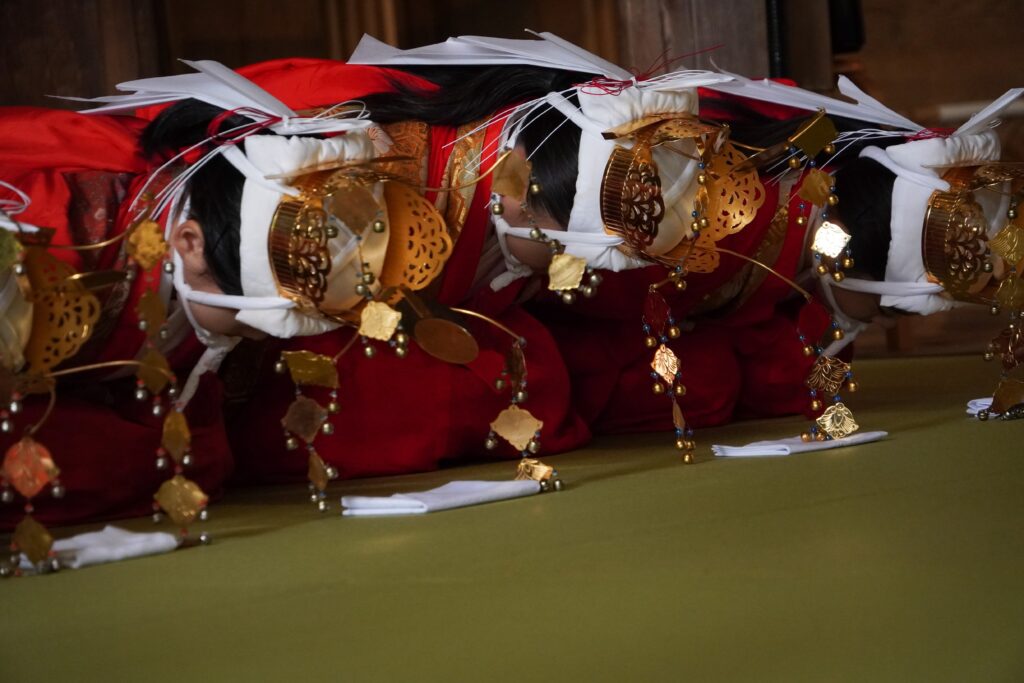
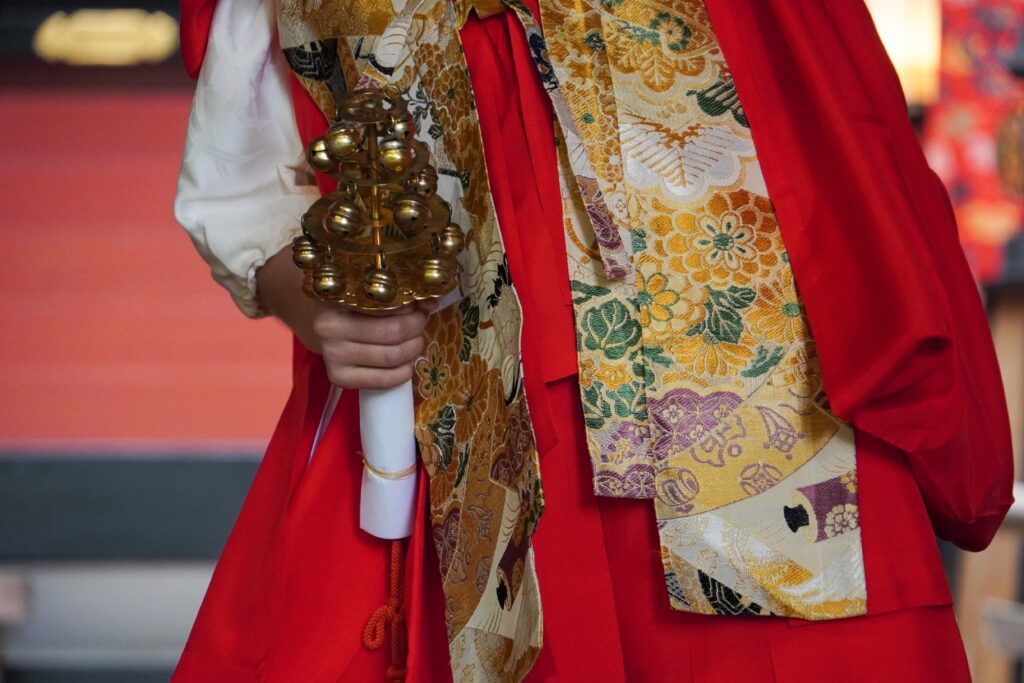
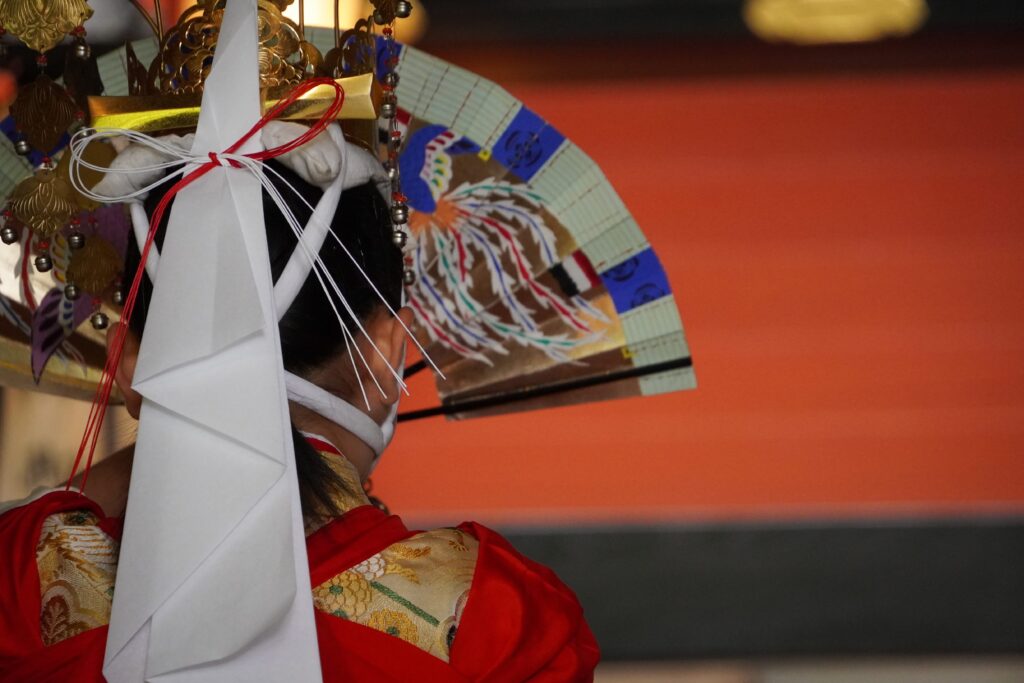
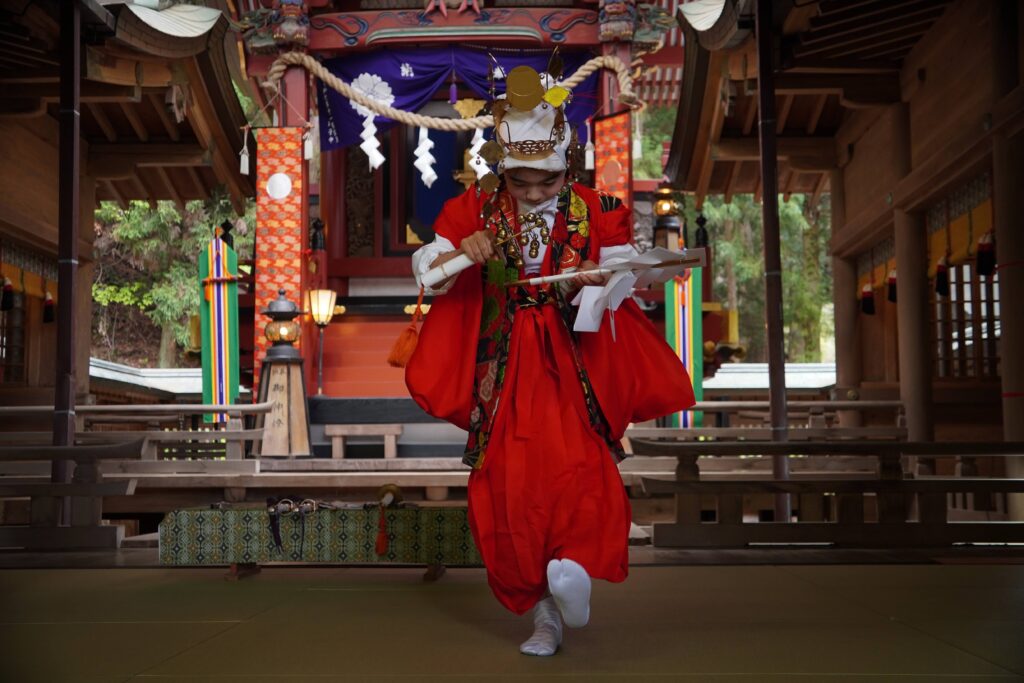
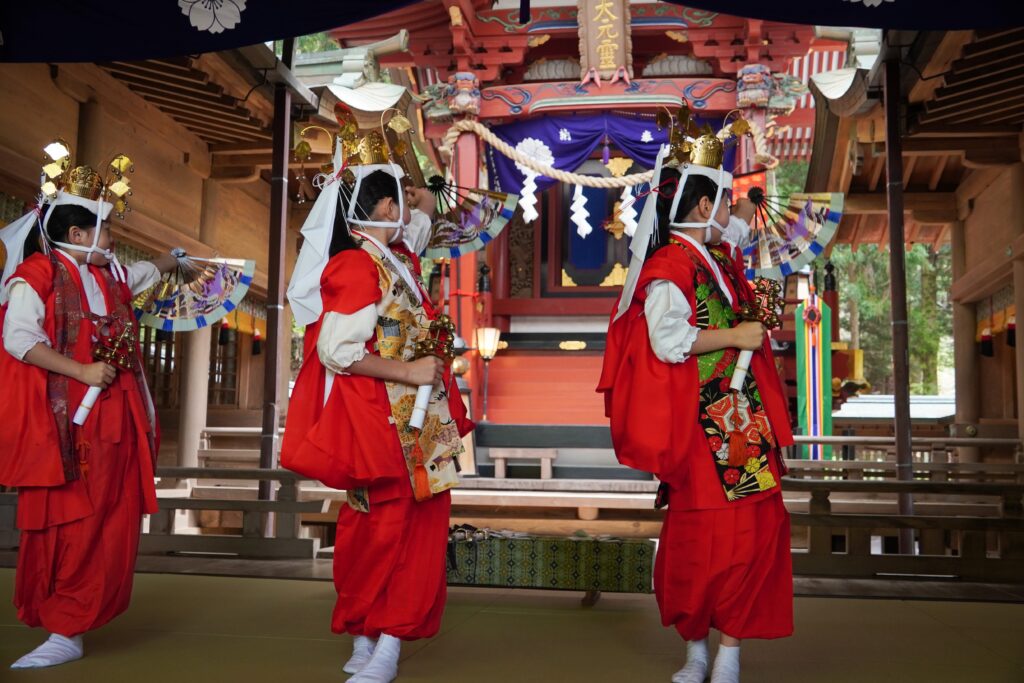
I’d like to share some thoughts from my recent visit to the “Chigo-no-Mai” (Children’s Ritual Dance) at Kawaguchi Asama Shrine.
The 1,200 Year Old Prayer and the Boundary of Age
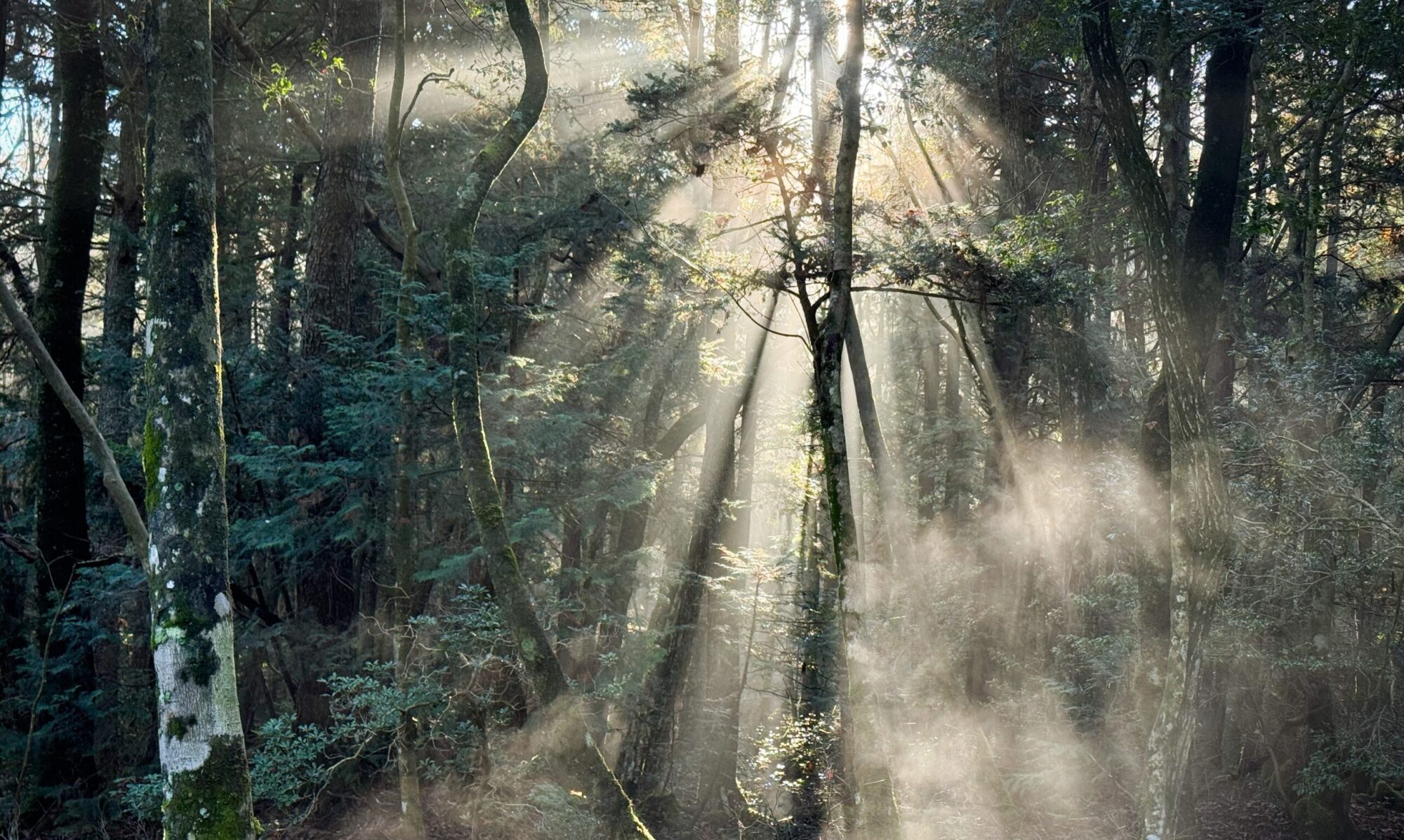
Kawaguchi Asama Shrine was built following the eruption of Mt. Fuji in 864 AD, the eruption that created the Aokigahara Jukai forest. The shrine was established to calm the fierce deity of fire, and this ritual dance is said to have originated at that time.
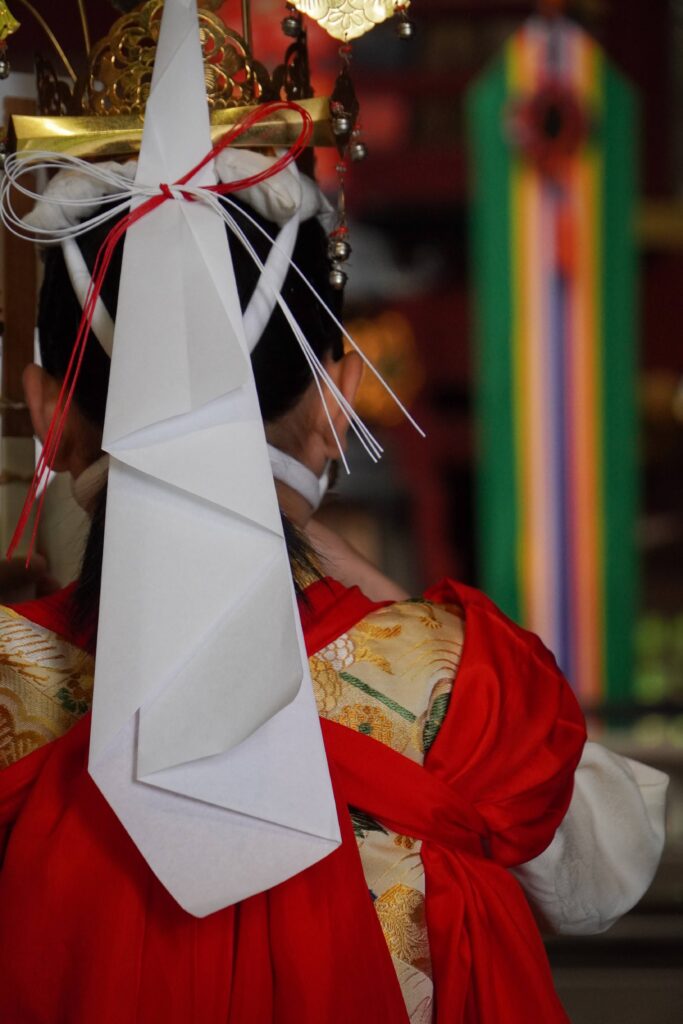
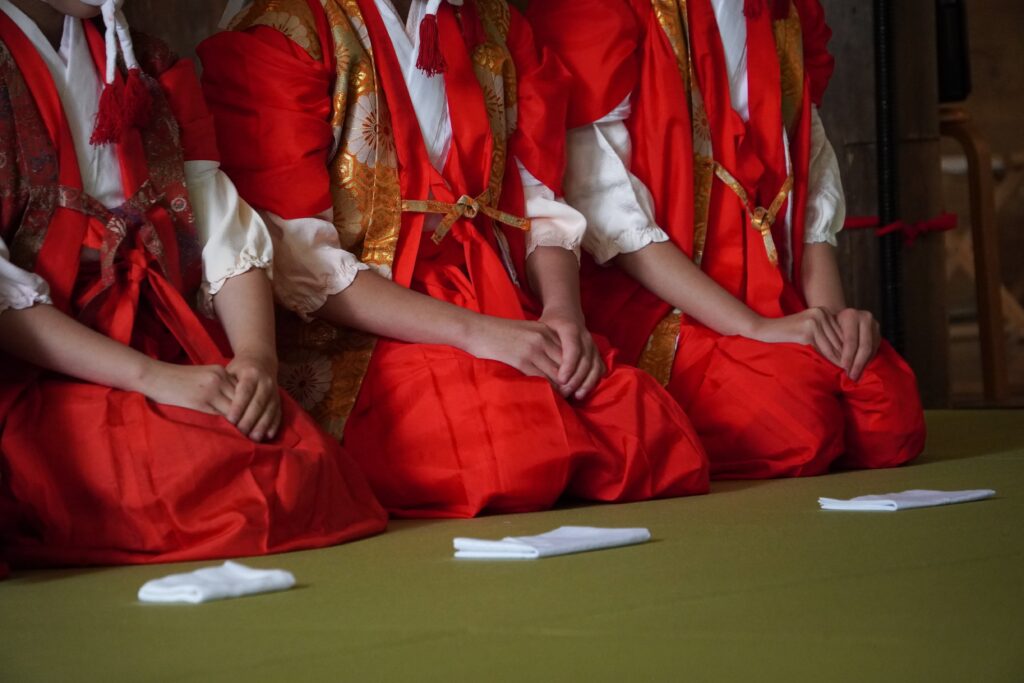
Today, the dance is performed by local girls aged 6 to 12.
The deity of Mt. Fuji is a goddess named Konohanasakuya-hime. According to myth, she once set fire to her birthing hut to prove her faithfulness, giving birth to three children amidst the flames. Because of her intense nature, she is often called a “jealous goddess.” Some say that only young girls under 12 are allowed to dance because a mature woman might trigger the goddess’s jealousy.
However, I noticed something else during the ritual.
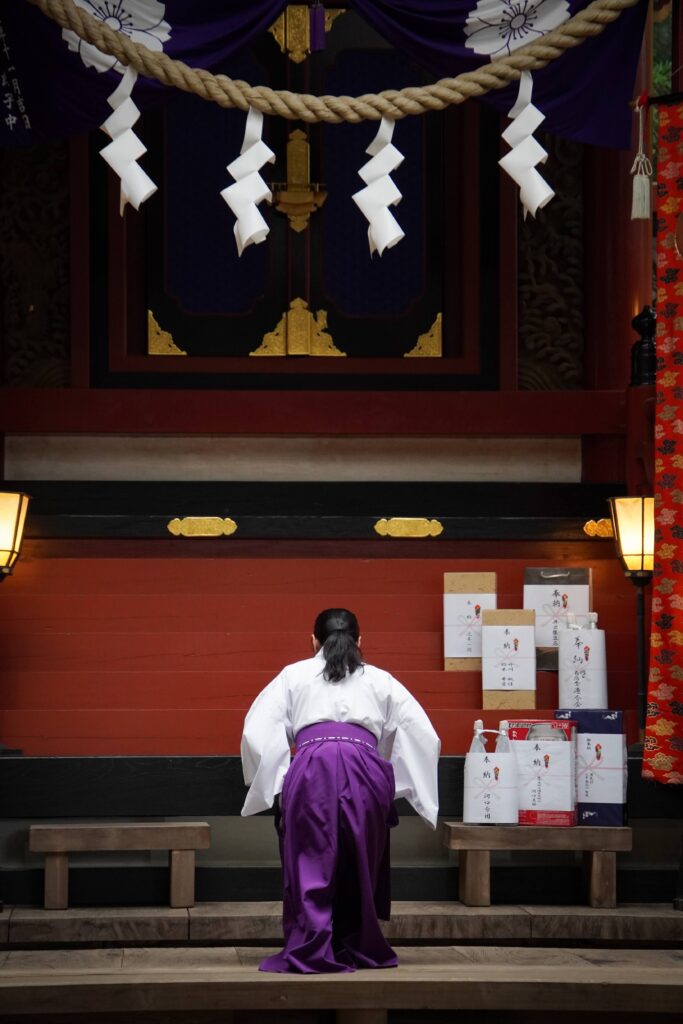
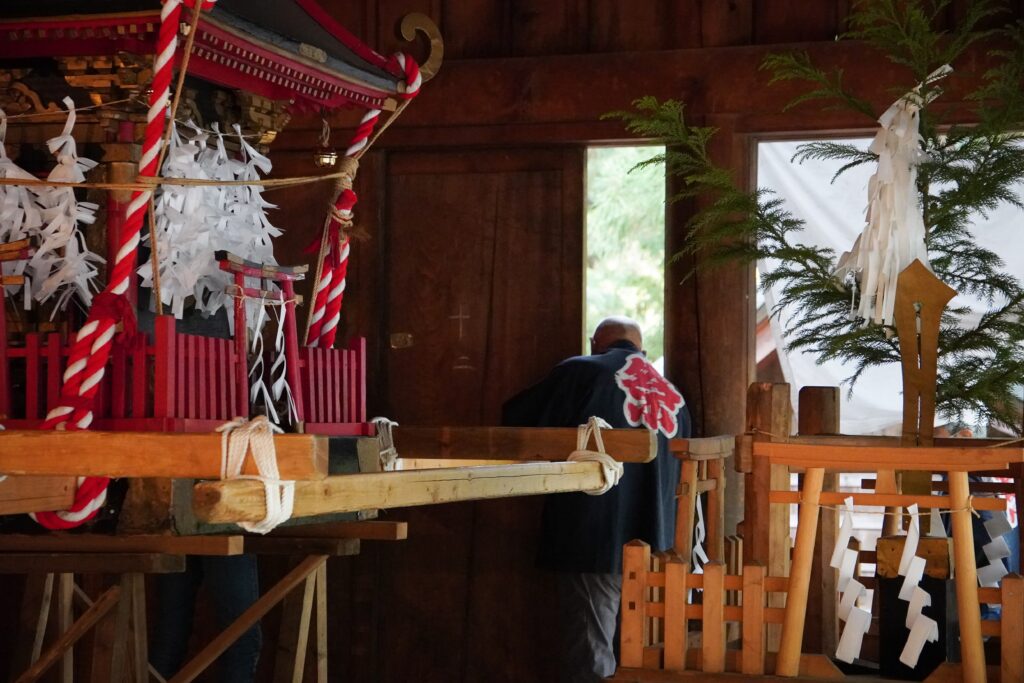
Serving in the innermost part of the shrine, closest to the deity, was an elderly woman.
This suggests that the core of the sacred space is open only to young girls or elderly women. It felt as though there was a clear boundary based on a woman’s biological cycle, specifically the onset , menses.
Is “Impurity” Actually “Depleted Energy”?
In ancient Japan, blood was often viewed as Kegare (impurity). While this may seem discriminatory today, the word itself has another layer of meaning.
One theory suggests that Kegare comes from Ke-gare, meaning “the depletion of life energy (Ki).” Giving birth or menstruating requires a massive release of life force. In this view, a woman in this stage of her cycle was considered to be in a state of “exhausted energy.”
Staying away from sacred rituals wasn’t about exclusion, it was a way to allow women to rest and recover their energy. It may have been an ancient form of wisdom, respecting the natural rhythm of the body.
Redefining Power and Lost Memories
If we look even further back, there is another possibility.
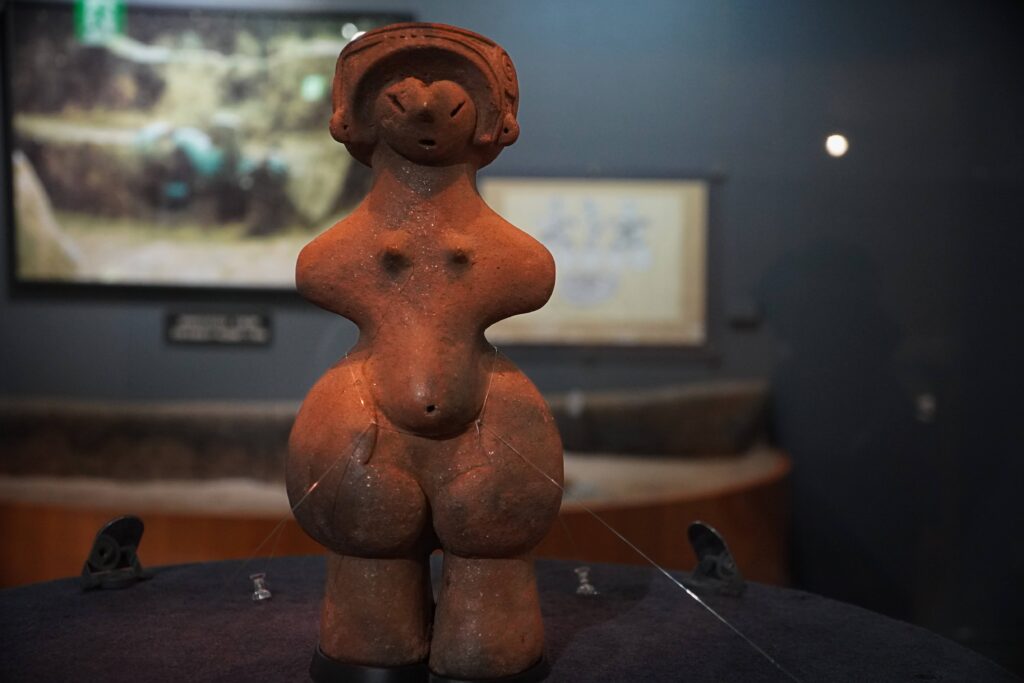
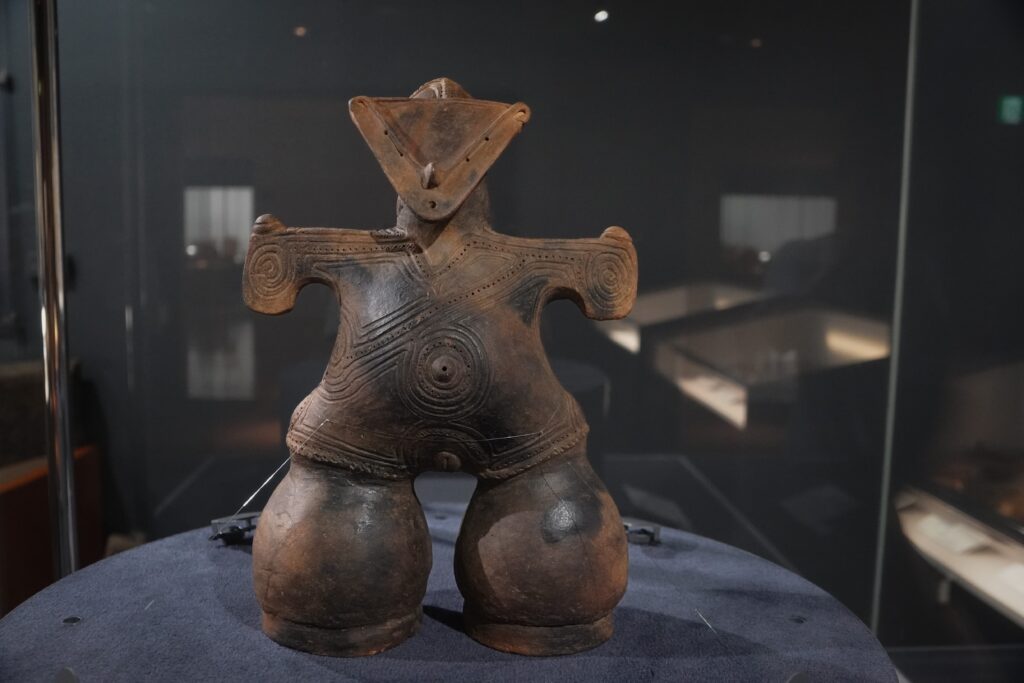
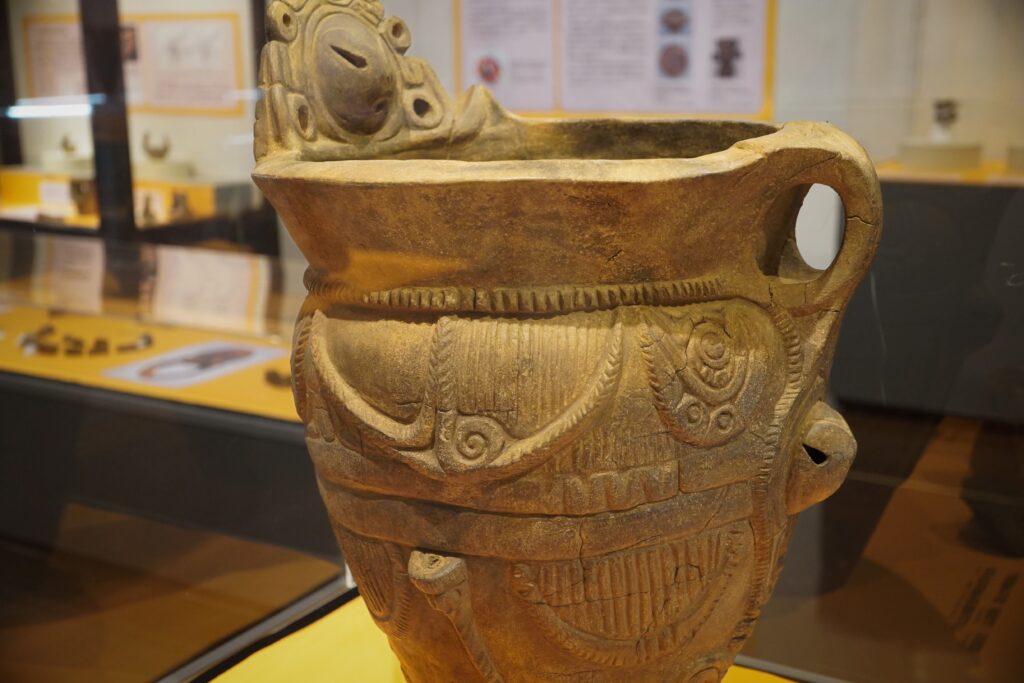
Once, a woman’s ability to create new life was worshipped as something sacred. Like the “Venus” figurines of the Jomon period, this power was likely the center of faith and matriarchal societies.
However, as society shifted toward a male-led system, this “uncontrollable, mysterious power” may have been redefined as “impurity” to protect the new order.
By allowing only young girls and elderly women, those outside of their reproductive years, into the sacred space, the system may have been “neutralizing” that power to keep the sanctuary under control.
The Symbol of Life on the Shrine Path
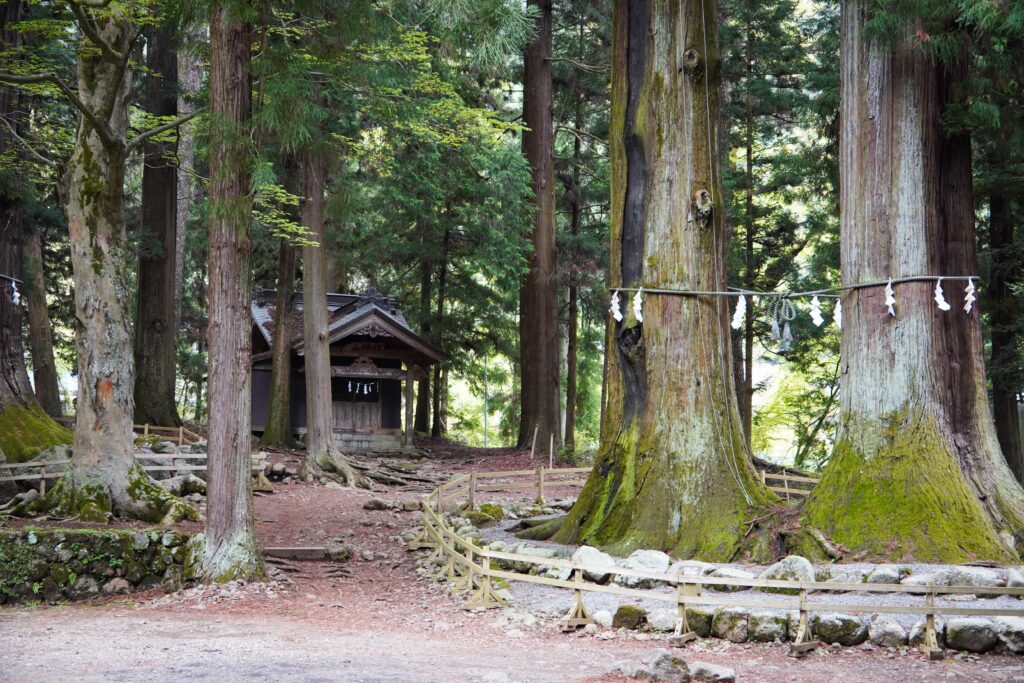
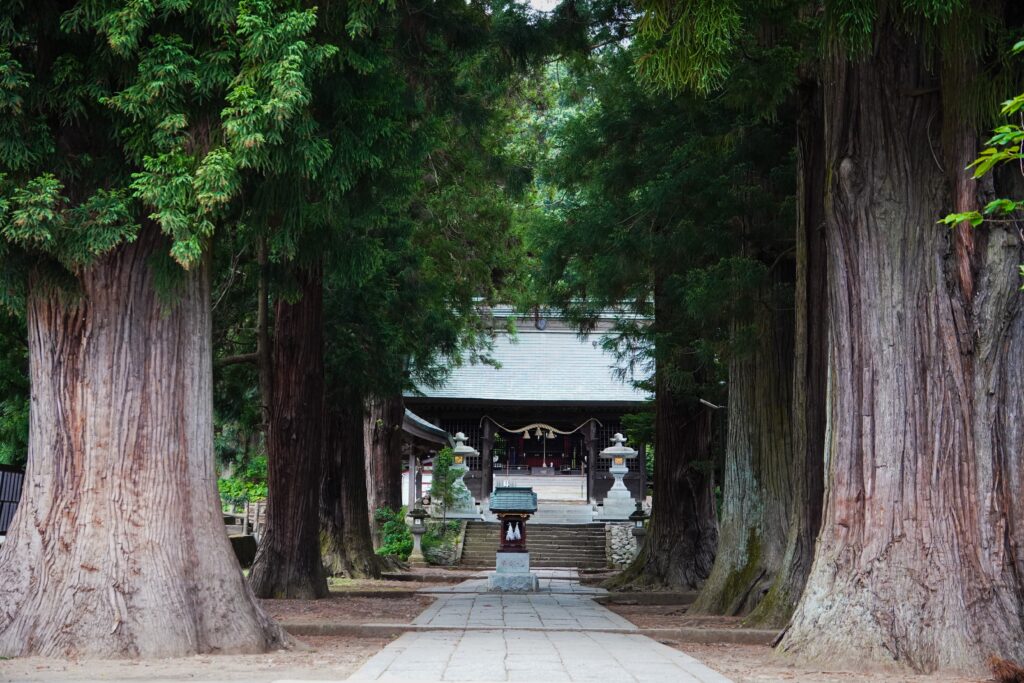
On the main path of the shrine sits a small, older shrine called “Hatashi Shrine.” Inside, a stone phallus is enshrined as a symbol of fertility.
The main hall maintains a quiet order that distances itself from blood, while Hatashi Shrine openly celebrates the raw power of reproduction. These two seemingly opposite ideas have existed together in the same space for centuries. They may seem contradictory, but at some point in history, they likely existed as a single, connected cycle.
The Ever-Spinning Thread of Life
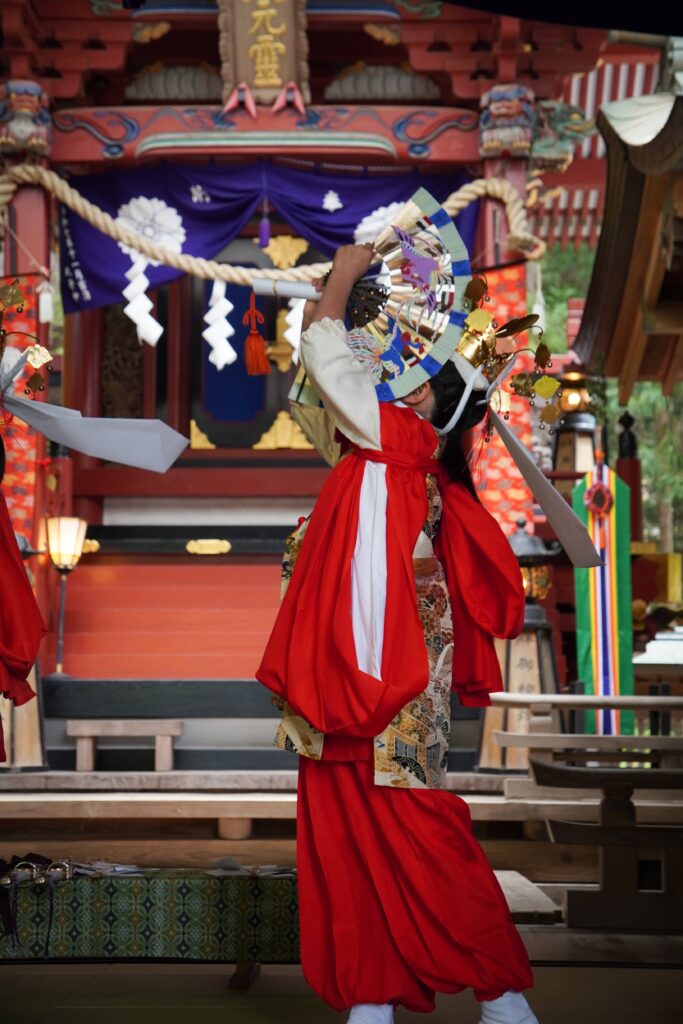
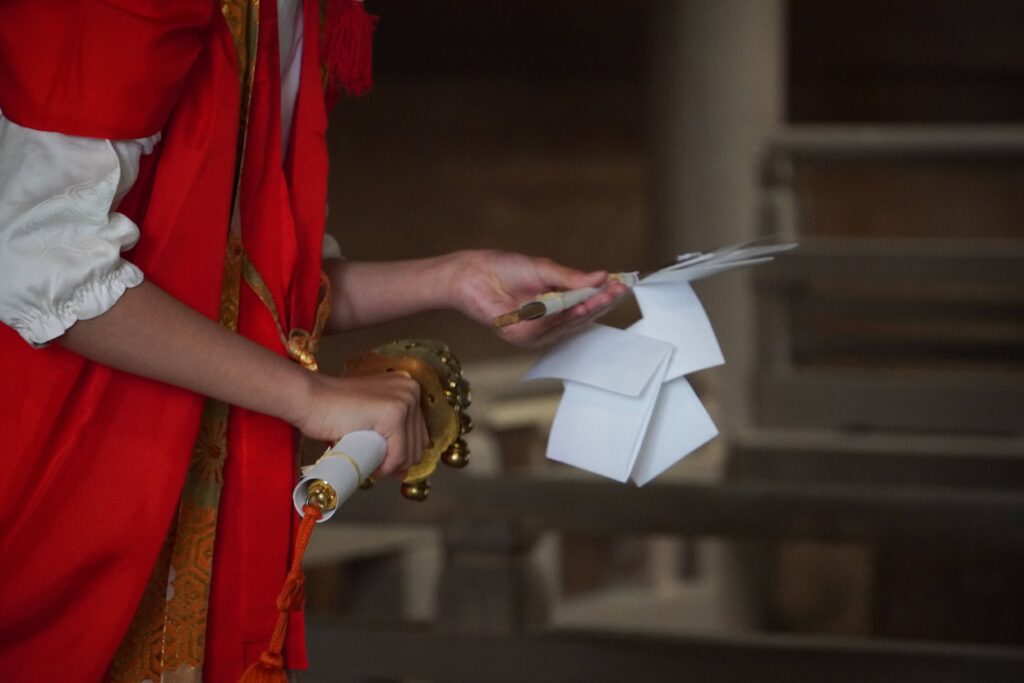
Finally, one movement in the dance caught my eye, the girls spinning their hands in a smooth, circular motion. It looked to me like the act of winding thread.
This region has been a center for textile production for over a thousand years. Women here have spent generations spinning thread as if they were spinning the very thread of life. This movement in the dance might be a physical memory of their daily lives, preserved for over centuries.
History says that the Hata clan (the Hata-shi) were the ones who brought weaving technology to Japan. This connects back to the “Hatashi” Shrine on the path. One mystery solved leads to another, and the story never seems to end.
The End of the Ritual and the Continuing Myth
After the dance, the portable shrine carrying the goddess is taken to “Ubuyagasaki.” The word “Ubuya” literally translates to “birthing hut.”
While this headland is famous as the place where the goddess gave birth amidst flames, the name suggests a broader meaning—a sacred place for childbirth. This brings us to another layer of the story. The ritual on April 25th is also known as the “Magomi-matsuri” (Grandchild-viewing Festival). It is said to be the day the goddess visits this “birthing place” to see her grandchild, born to her daughter-in-law, Toyotama-hime.
Toyotama-hime is the deity enshrined in the Ryugu Cave in the Aokigahara forest, and she is said to be the model for the princess in the famous “Urashima Taro” folktale.
Next time, I hope to share more about these myths hidden in the forest. Once you step into this world of ancient stories, it’s hard to find your way back.